


Welcome to the Design Intelligence Substack from Digital Producer Paul Fillingham. Sound design by Studio-thinkamigo. It’s here where we discuss the highs and lows of the creative process, from the very latest developments in AI-assisted design to digital storytelling in ‘Houdini Window’. This Substack is narrated in the voice of Paul Fillingham.
- Della Rayne
Umbrellas
The past week has been spent searching for Seaside Sci-Fi hideaways. It’s been a week of umbrellas. Dodging the rain and getting roped-into far too much house clearance, DIY paper shredding and also losing the dongle for my Bluetooth mouse. Presumably, the dongle which is only the size of a thumbnail, got enveloped in mountains of shredded paper and is right now on its way to a paper recycling plant?
So I needed a new mouse.
Now I used to be bloody minded about using genuine Apple peripherals; products like the laughable Magic Trackpad. Until I eventually admitted to myself that a £9.99 supermarket mouse was actually ergonomically better than the stuff coming out of Cupertino.
There’s a long history of computer mice. Beginning with Doug Engelbart of course, who designed the very first computer mouse in 1964. Although it wasn’t demoed publicly until 1968. More about Engelbart’s mother of all demos another time.
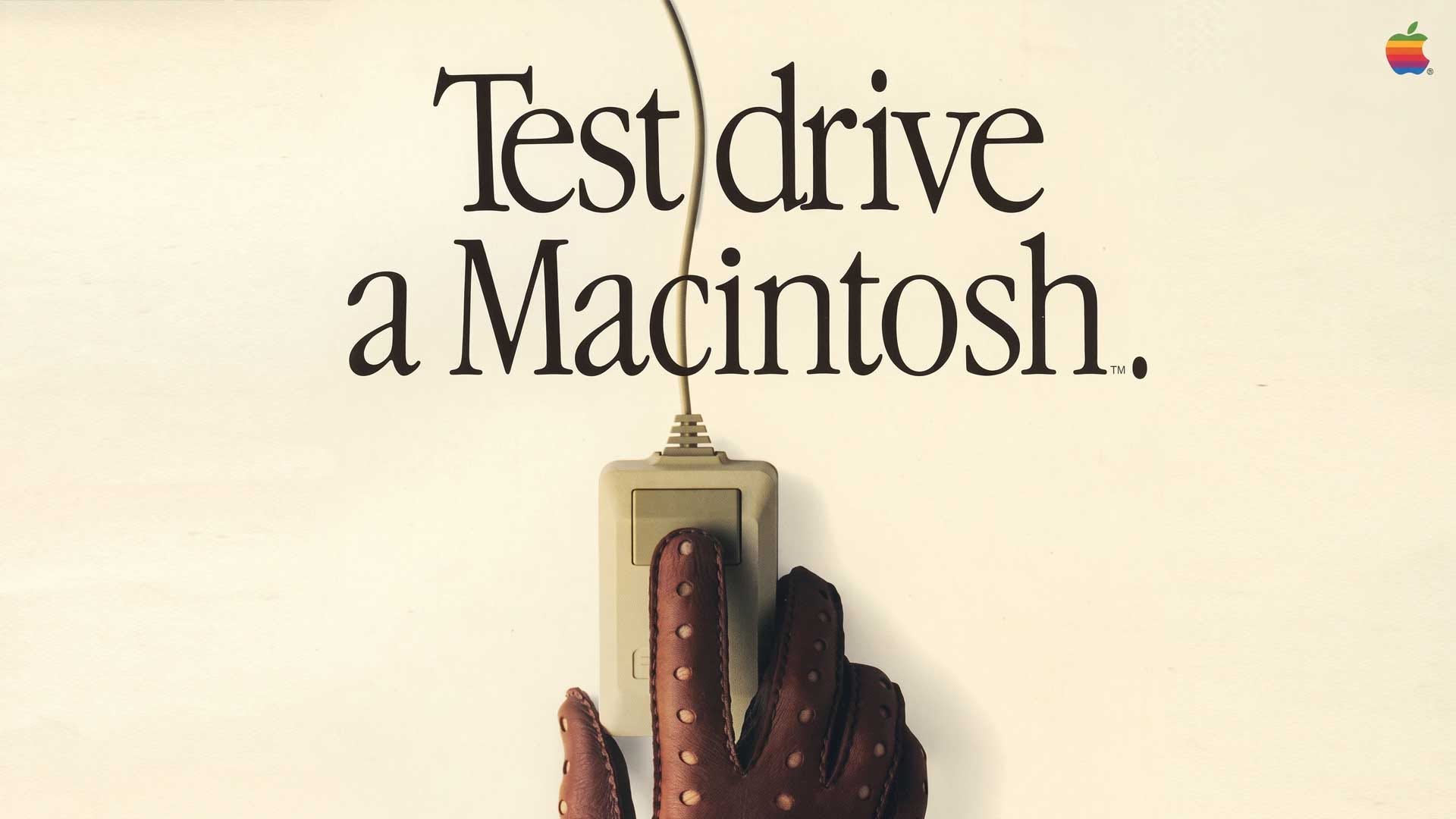
The triumph of the Tesco mouse
I quite like my Tesco mouse. But Apple pointing devices haven’t always been bad. One of my favourites is the original Macintosh mouse. Mine’s 1985 vintage. It looks like a brick and feels like a brick, and it’s connected to a refurbished Mac Classic, which isn’t a Mac Classic at all.
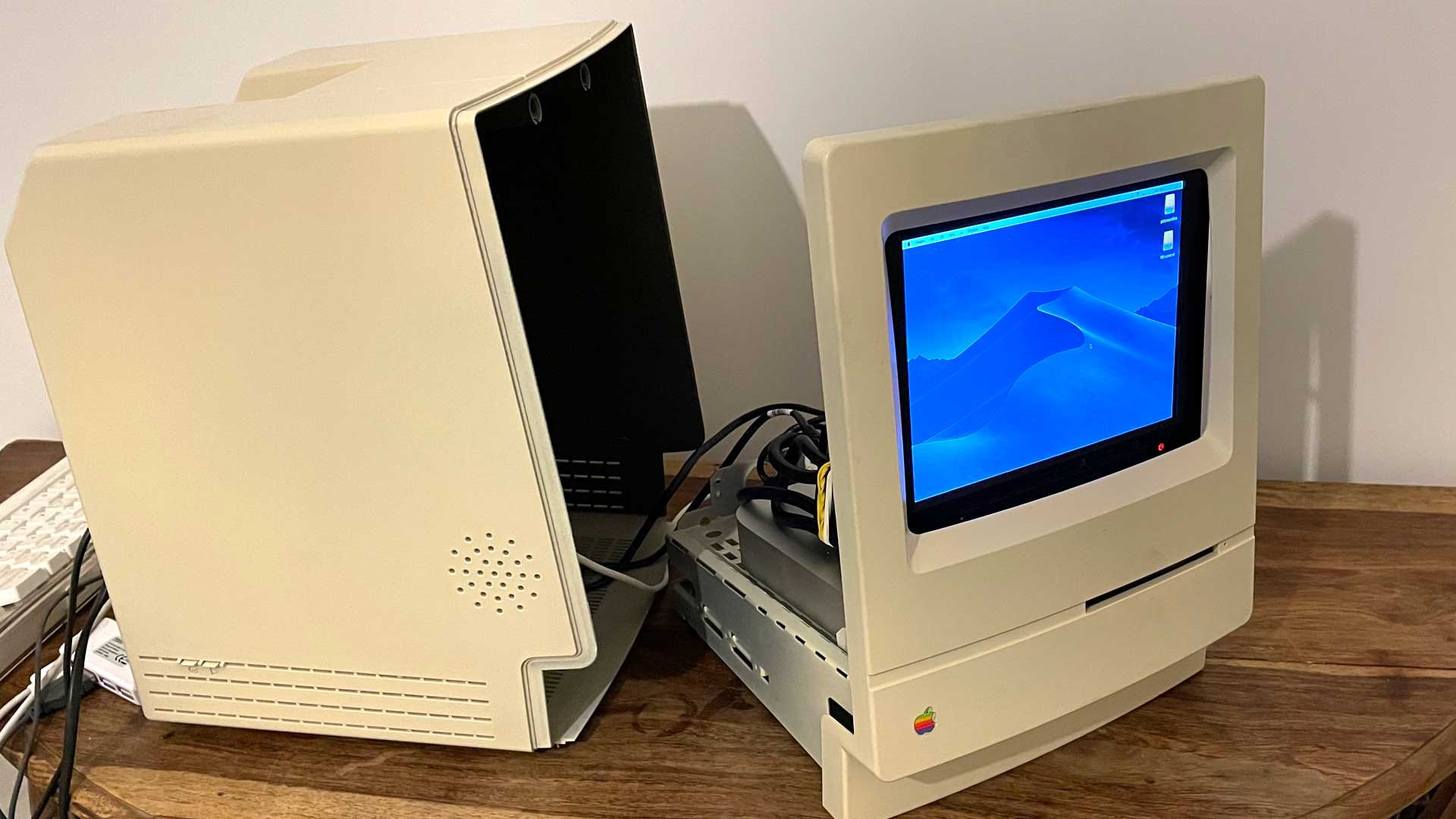
In fact it’s got a MacMini inside with two terabytes of SSD storage, and a colour screen. The original Mac was monochrome of course.
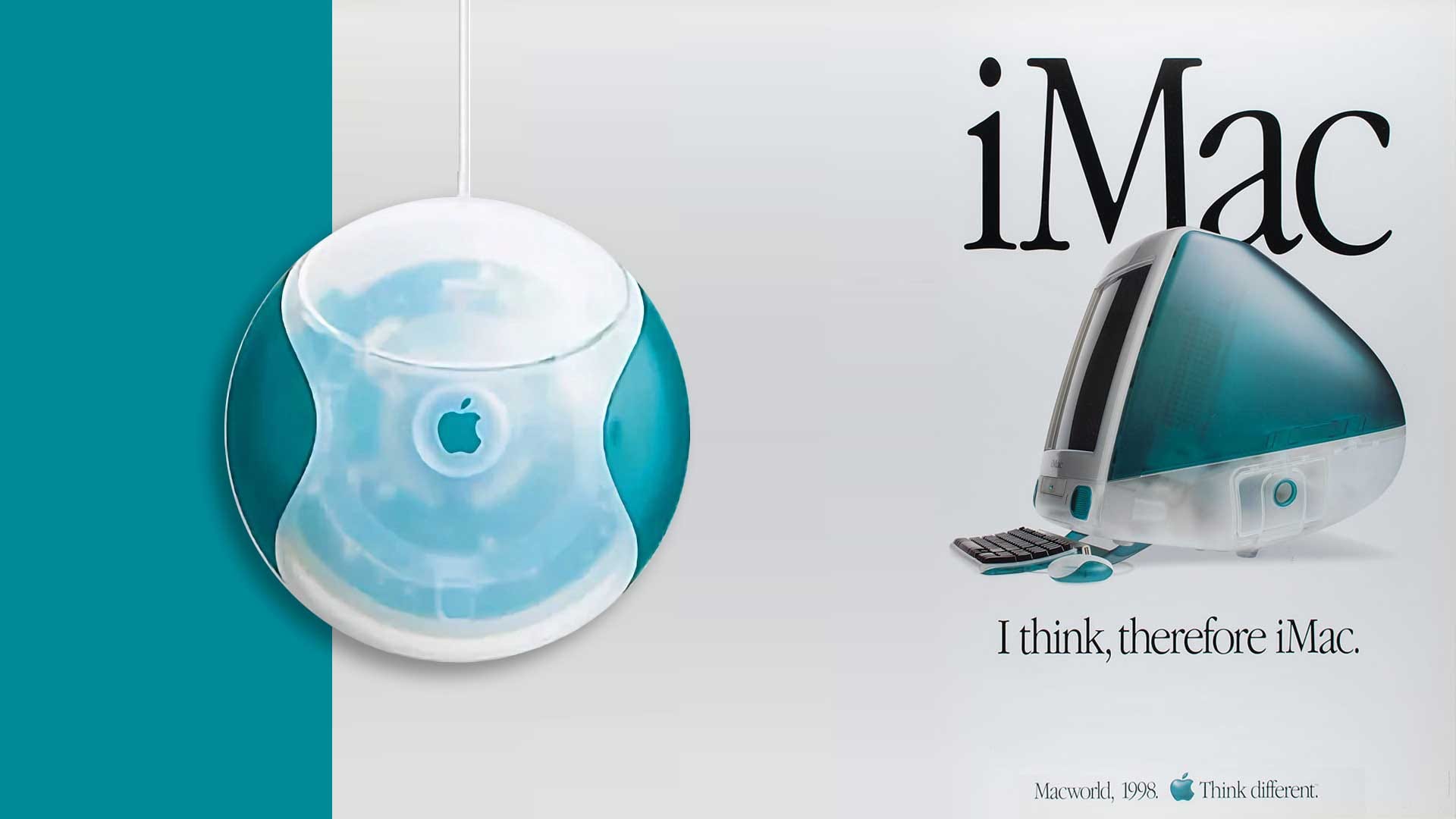
Probably the worst Apple mouse of all time must be the rounded hockey puck mouse, released in 1998 with iMac Bondi-blue styling. It was a design so ice-cool that it literally skated all over the place. It was just like Disney’s Bambi when he made his first steps on the frozen lake. I really hated that mouse. I never much liked Bambi either if I’m honest.
Anyway, I digress. I have a new supermarket mouse and so I’m back up and running. A quick update on things: The Coaltown Days heritage publication is coming along nicely. The image manifest created with Claude has been really helpful. But assembling the publication is one of those design jobs that demands a lot of human concentration. So, at this moment in time, I’m banished to Adobe InDesign purgatory.
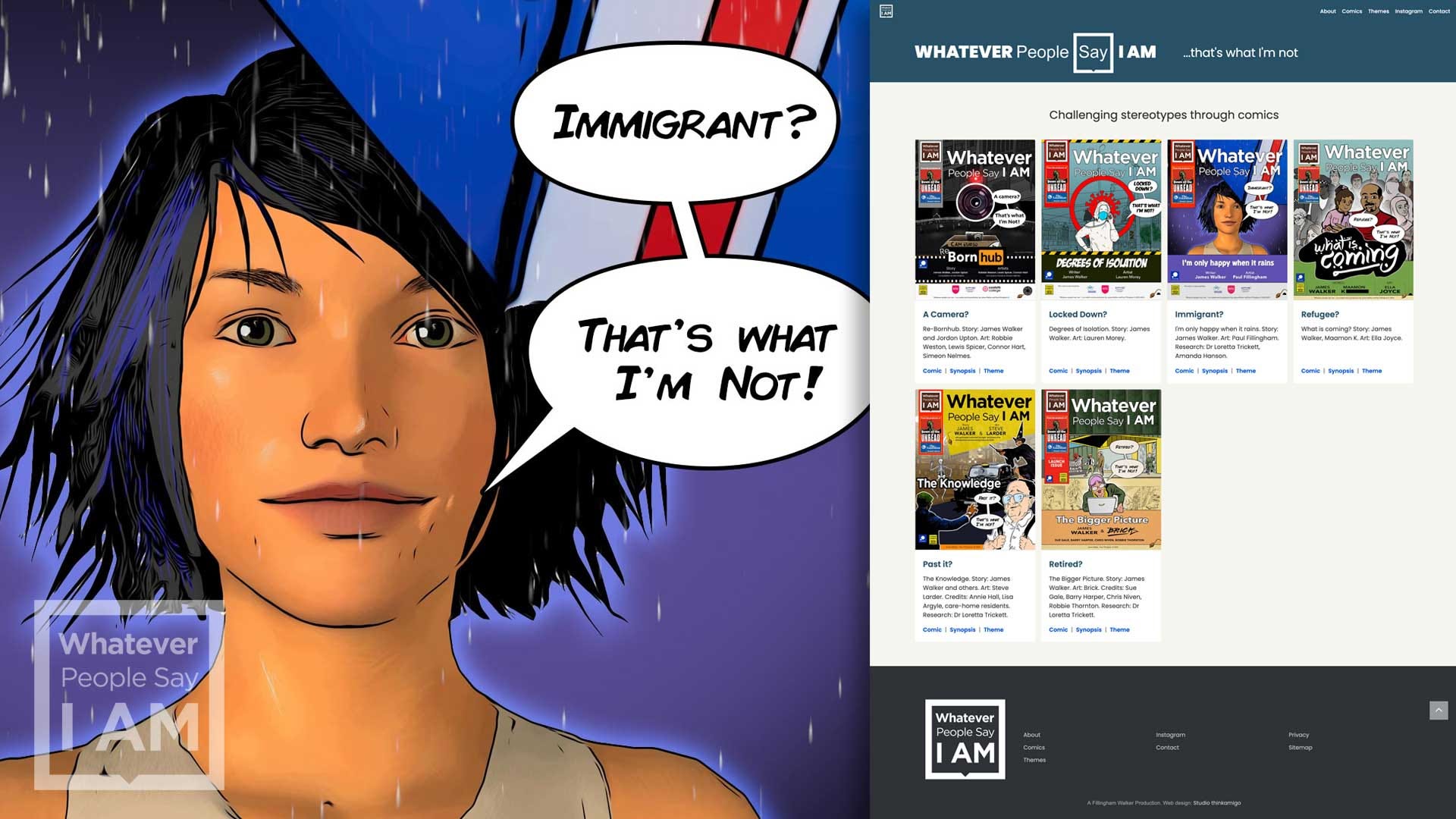
I’ve also spent some time addressing the migration of my old Covid-era website Whateverpeoplesayiam.co.uk
Whatever… was originally launched as a hand-bashed HTML website because I couldn’t face another WordPress dashboard. It worked well for James Walker’s students at Nottingham Trent University, who’ve contributed comic art and essays to the project.
The migration was an ideal opportunity to try out the new web-framework I designed with Claude a few months back. Migrating my old websites was why I built the framework in the first place.
I wasn’t entirely sure how well it would work out in practice, but in actual fact, the groundwork I did creating the web templates was well worth it. The original site which had evolved over several years, consisted of about 500 files. With a nice clean redesign I was able to rationalise that. All those static webpages down to just a few dozen.
Building a Comic Reader with AI
Whatever… is essentially a collection of digital comics, so I figured that the best way to deal with them was to build a Comic Reader that could work on desktop, mobile and tablets.
So, I wrote a fairly tight specification, shared this with Claude alongside a markdown file detailing the brand colours and styling. And then I fed-in the six comics. So, instead of having lots of individual webpages, there are now just half-a-dozen Comic Reader files, and it’s really easy to manage.
The themed essays were easy to convert too. There’s nearly 40 of those which would be a nightmare to update manually, so once again a bit of AI automation allowed me to concentrate on the design aesthetics and usability, instead of getting hung-up on all the writing of the code.
It is useful to have the ability to check-over the AI generated code, but my reckoning was that it was pretty much 99% perfect.
A couple of hours work and the web assets were ready to move to the new web-server. I repointed the domain and bingo! Job done. Better website, nicely optimised, and saving on those WordPress hosting costs too.
This is a pattern I’m going to be repeating in the months ahead until all my legacy WordPress sites are migrated, and I suspect the process will accelerate each time. Which means I’m no longer shackled to a proprietary web platform and I get to refresh a few old websites that could do with a little bit of an update.
Hide and seek
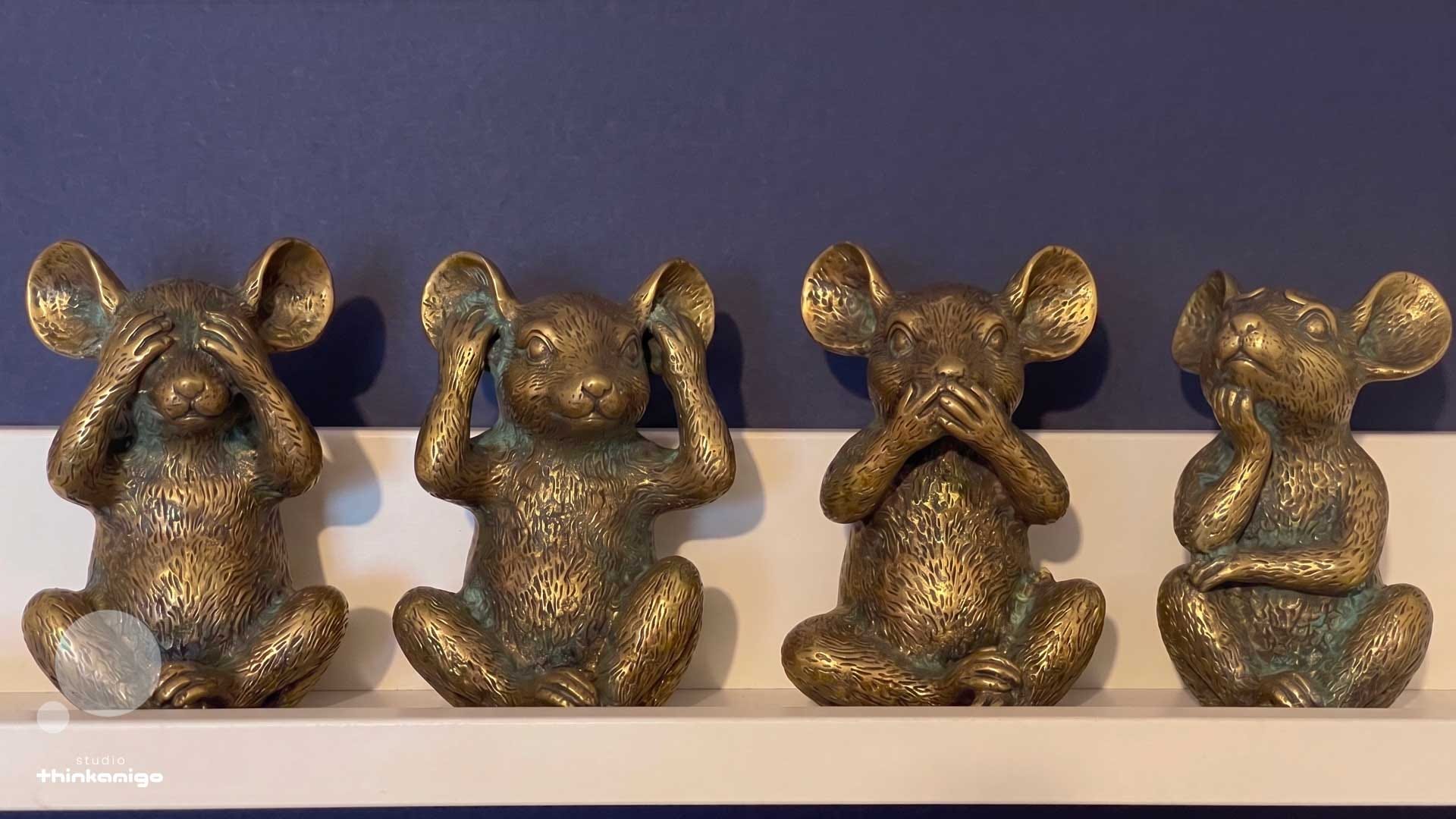
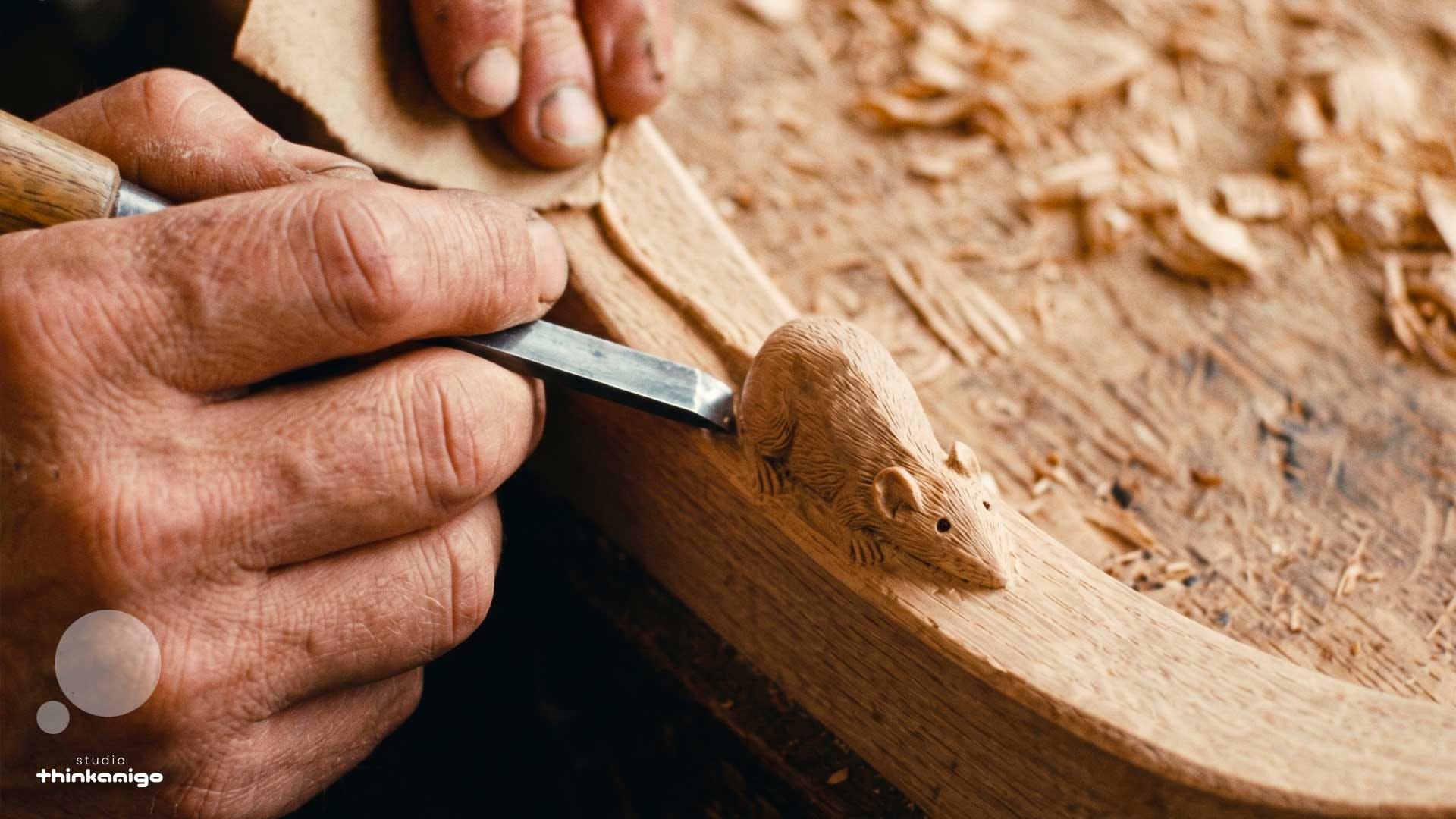
It was great to read through the Whatever… comics. And if you look closely you’ll find a mouse tucked away in every issue, a nod to Robert “Mouseman” Thompson, who spent a lifetime carving them into church furniture, hidden on purpose, a little joke for anyone who bothers to look. James thought it would be a nice touch to add them to the comics when we started the project and it’s a tradition that I have kept up ever since.
I added a mouse to the latest comic of course which is called Re-BornHub and is a monologue by a camera that finds itself reincarnated as different types of cameras and imaging devices.
Meanwhile my mouse dongle is on its way to be pulped, along with a mountain of shredded paper. One mouse hidden intentionally. Another lost by accident. Funny how these things happen. Anyway, visit the Whatever… website whenever you can and see if you can find the mice.
Houdini Window update
And next up, advancing the Seaside Sci-Fi story I’ve been developing with Adrian.
Abstinence from creative writing for any length of time, always makes me feel bad. I feel for the characters, I feel for the locations. You give these things life and then if you are not too careful, you abandon them. And if you abandon them for too long, they begin to die. Or worse still, they get locked inside a garden shed full of spiders, which as we learned in our previous chinwags is exactly what happened to Houdini Window in 2010.
Sometimes though, I find that leaving a story to rest a while helps me view it more critically when I pick it up again. Which is what happened last week.
Houdini’s digital cohort
Up to now, episode one (of Houdini Window) introduces the veteran light entertainer Laurie Lovelace, his vent-doll Billy and the seaside setting of Binley Bay. This is an unlikely setting for a Sci-Fi thriller. Not a spacecraft in sight. Just vacant slots and the grey expanse of the North Sea. Laurie’s tale is important, but it doesn’t really say anything about the other protagonists in the story. It’s a problem I’ve wrestled with for some time. The fact that episode one might not give the right impression of what the story is actually about.
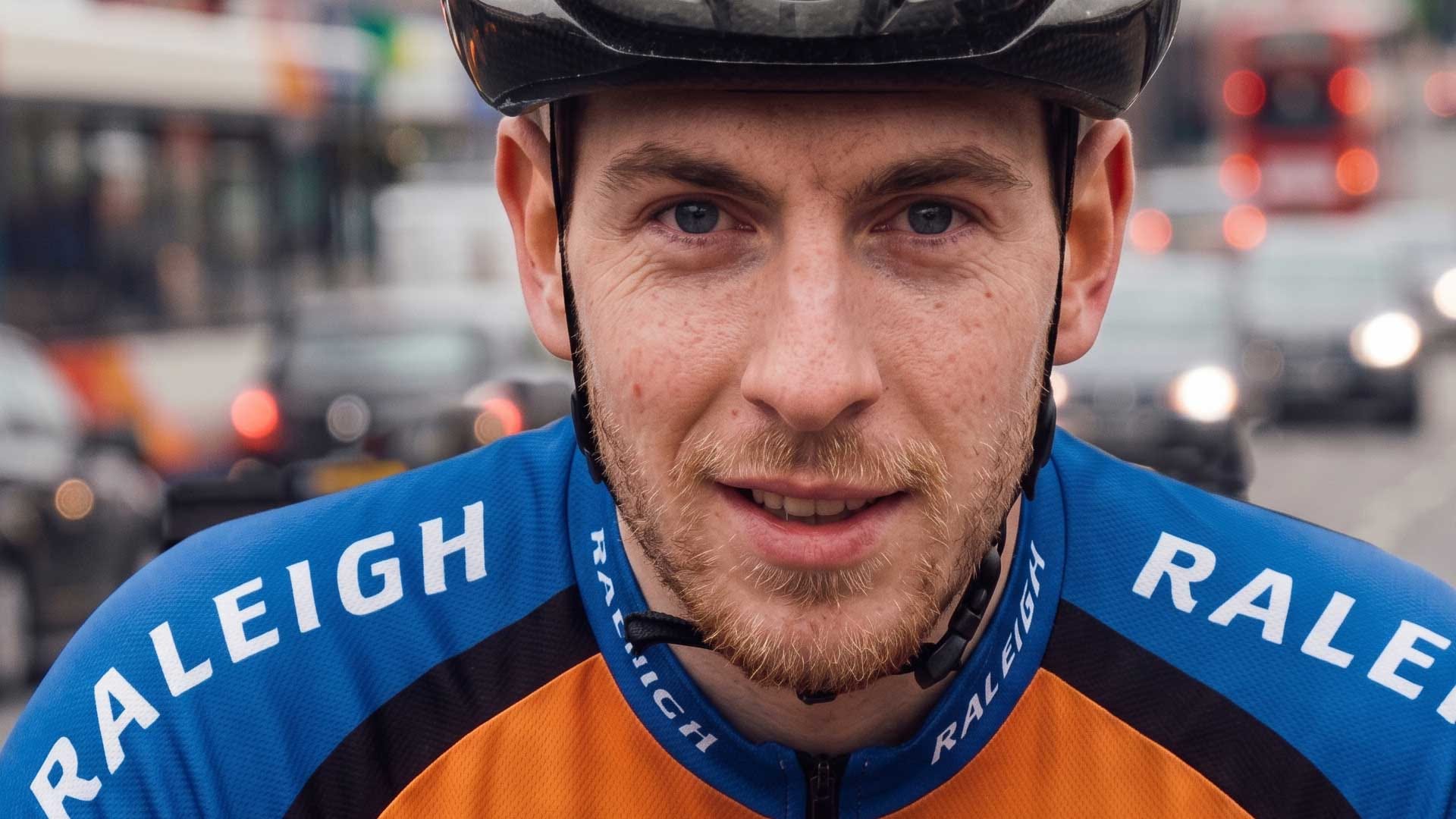
So, last week I wrote a new sequence which depicts Laurie’s grandson David, cycling across Nottingham to work. He can drive, and has a luxury car, but he prefers to ride across town to the former Valley Mills textile factory. It’s here where we meet his colleagues Carlos and Cordelia. They are software engineers at his tech startup Jumping Jacks.
The fast pace of riding through rush hour traffic and the busy office setting provides a kind of antidote to Laurie’s slow seaside landscape. And introduces the potential for technological mayhem and magic which is at the heart of the story.
Without giving too much away, there’s been a bit of technological magic going on behind the scenes in the studio. Last year I used AI to create a set of personas for my Houdini Window characters. The tools back then were Perplexity and LTX Studio. I managed to replicate a few of the characters that were in my head, but some remained elusive, so I shelved the idea. That was up until last week, when I thought I’d try to recreate the characters again to see if the technology had improved over the past 12 months or so.

Cordelia’s been floating about in various forms for months, but last week’s version finally matched the one I’ve had in my head the whole time. David, if I’m honest, never really existed as a picture before last week at all. Last year, the tools just weren’t up to giving him the ordinary, believable face that I needed.
Carlos was always spot on, but what’s changed in the new images is just how much sharper and realistic Valley Mills now looks, right down to the monitor on Carlos’ desk, which is exactly the same brand as the one sat in front of me as I write this.
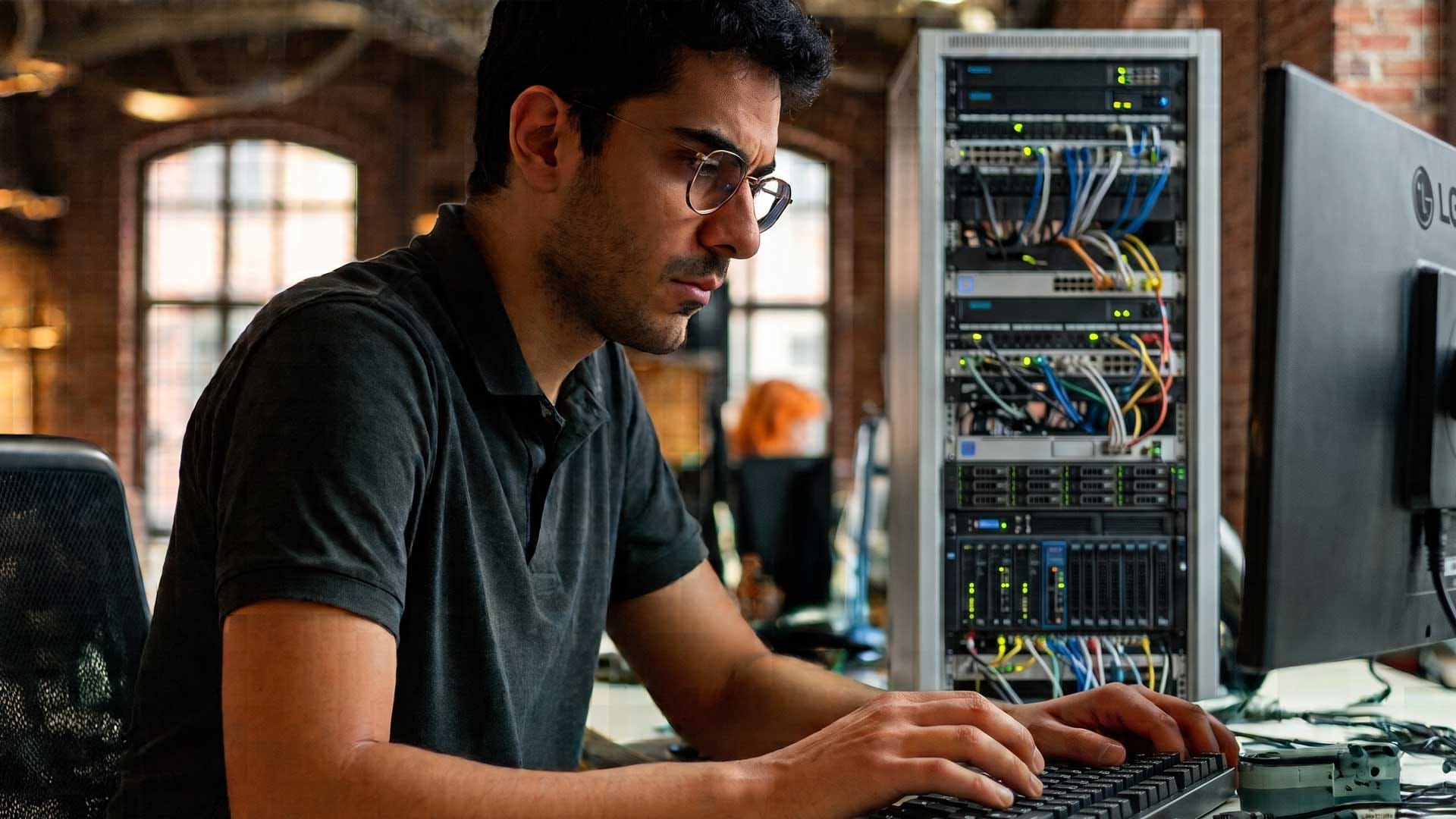
Comparing 2026 with 2025 images, it becomes obvious that the resolution and detail is much higher than last year. And the results are more consistent and predictable. Although I use Anthropic’s Claude as a coding and marketing assistant, I find that Google’s Gemini is far better at imaging. And Gemini seems much faster than it used to be too.
Coming up
And speaking of things moving faster than expected, I’ve got some User Centred Design (UCD) leads coming through at the moment, which might see me putting my ‘Govie-designer’ hat back on again. This all seems very timely of course, as my next chinwag will feature a special guest; my old user-research colleague Chris Leo. We’ll be talking UCD and no doubt getting into all things AI along the way too.
In the meantime, I’ll hand you over to Laurie whilst I get back to my InDesign drudgery.
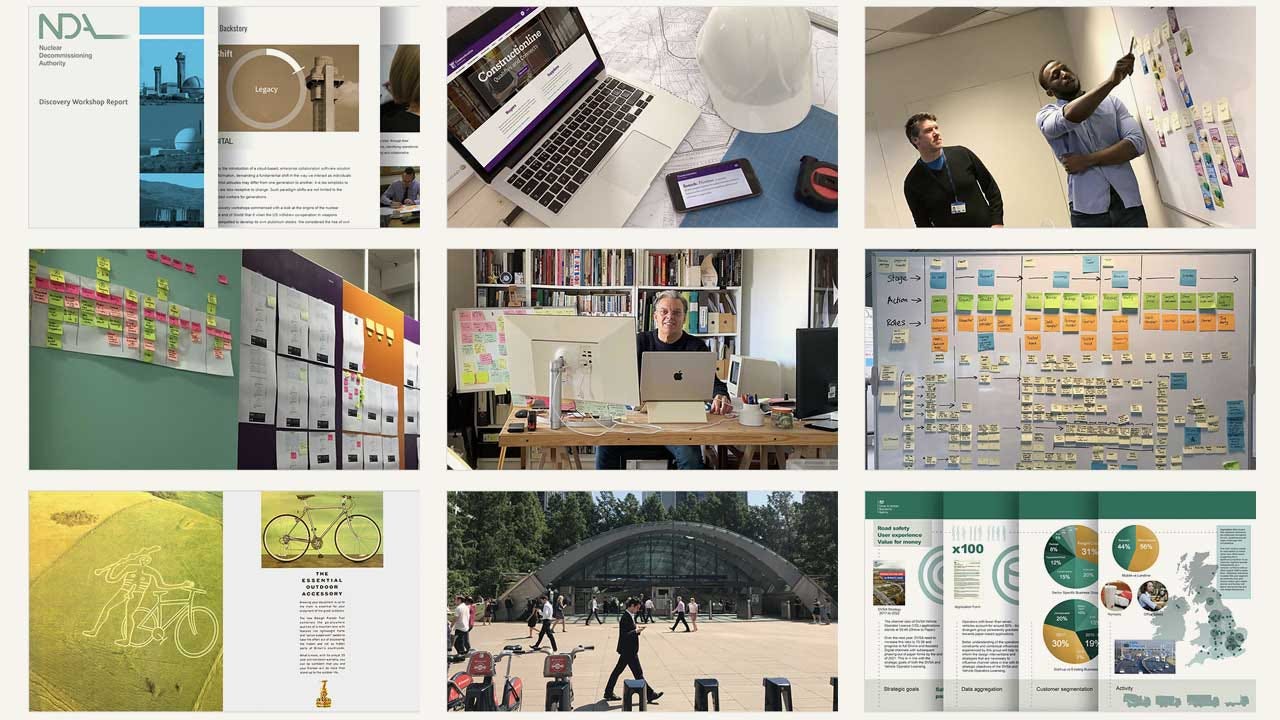
But if you do need digital design consultancy or production, just drop me a line. I’ve always got plenty of design magic available.
Anyway, ‘toodle-pip’ as we posh TV celebrities say. And remember...
You make magic real
- Laurie Lovelace
Digital magic available here!
Good design begins with good questions.
UX research finds them, design thinking answers them.
Links related to this substack:
Whatever People Say I Am Challenging stereotypes through comics.
Paul Fillingham Bio at Studio thinkamigo