
Milligan's Monorail
Skegness. Its Part in My Downfall

Listen to Milligan’s Monorail by Paul Fillingham. Presented by Debbie Irwin (ElevenLabs) and Houdini Window character Laurie Lovelace.
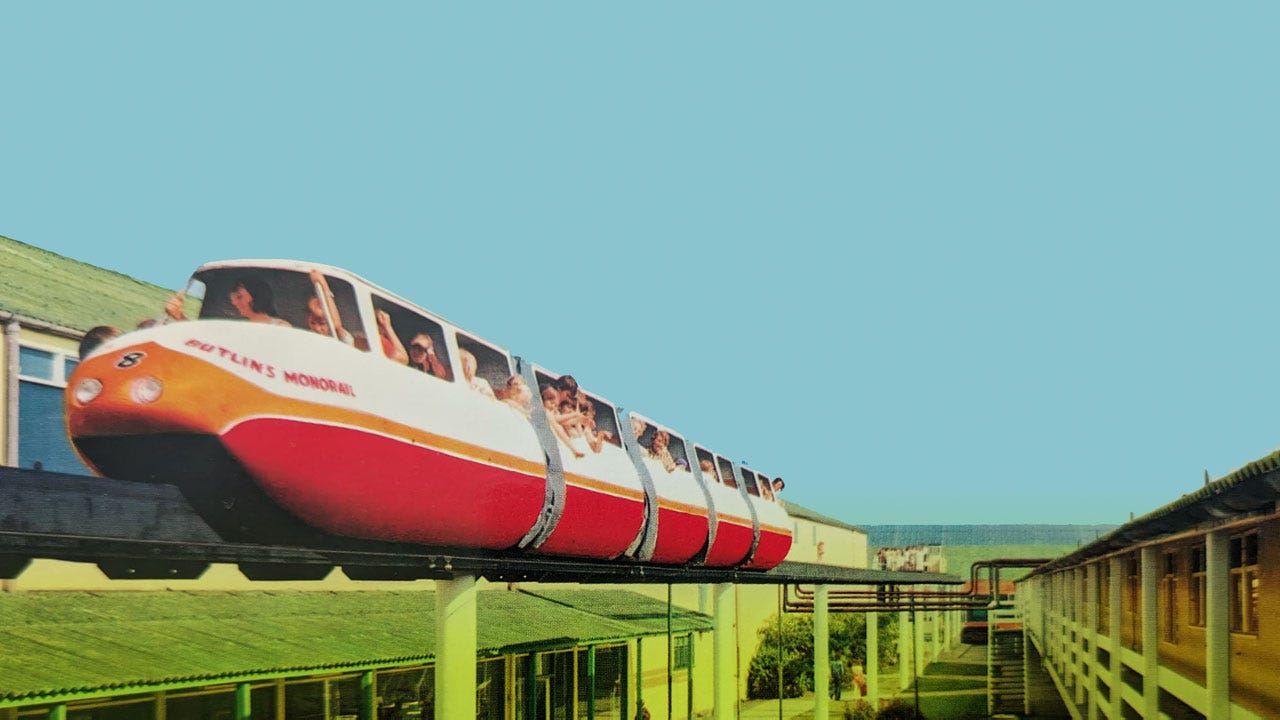
I am on a monorail. At Butlins, Skegness, in the 1970s.
I’m fourteen years old, suspended above the chalets and the candyfloss and the optimistic clatter of the British seaside holiday, and I’m crying. With laughter. And the other people in the carriage think I’m mad.
The book in my hands is Adolf Hitler: My Part in His Downfall by Spike Milligan.
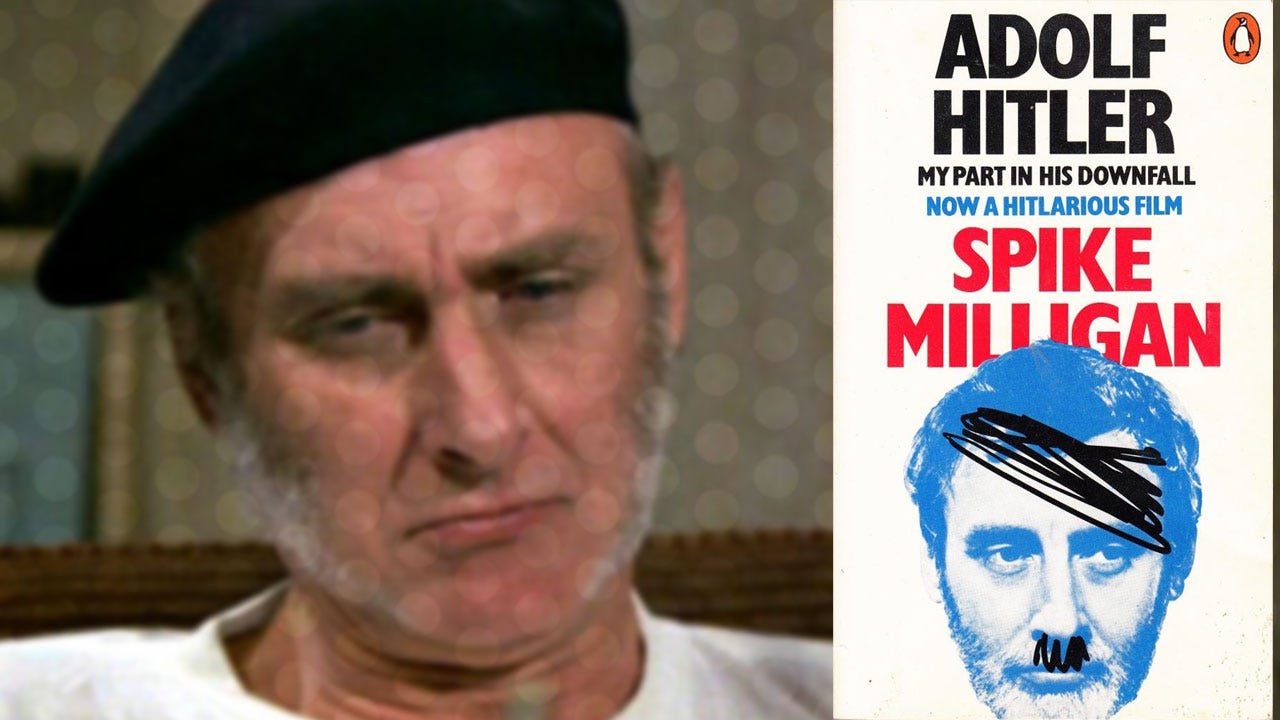
I had no critical vocabulary for what I was reading. No framework, no context, no understanding that Milligan was actually processing genuine trauma, the real horror of the war, through the only lens that made it survivable. I just knew it was the funniest thing I had ever read. And that the laughter had something underneath that I couldn’t quite explain.
I still can’t, entirely. But I’ve spent the rest of my life making things that try.
Skegness does something to you if you arrive at the right age, in the right era, with the right level of attention.
The Butlins monorail was pure Americana - a vision of the future delivered to the British working class during the holiday fortnight for the pits and the factories like Players, Pretty Poly and Raleigh. Gleaming, optimistic, slightly absurd. Riding above the amusement arcades, the theatres and the bars down below, bathed in the marine blue of the East Coast light on a clear day. The sea always there at the edge of things, the breeze ‘so bracing’ (of course) and indifferent to it all.
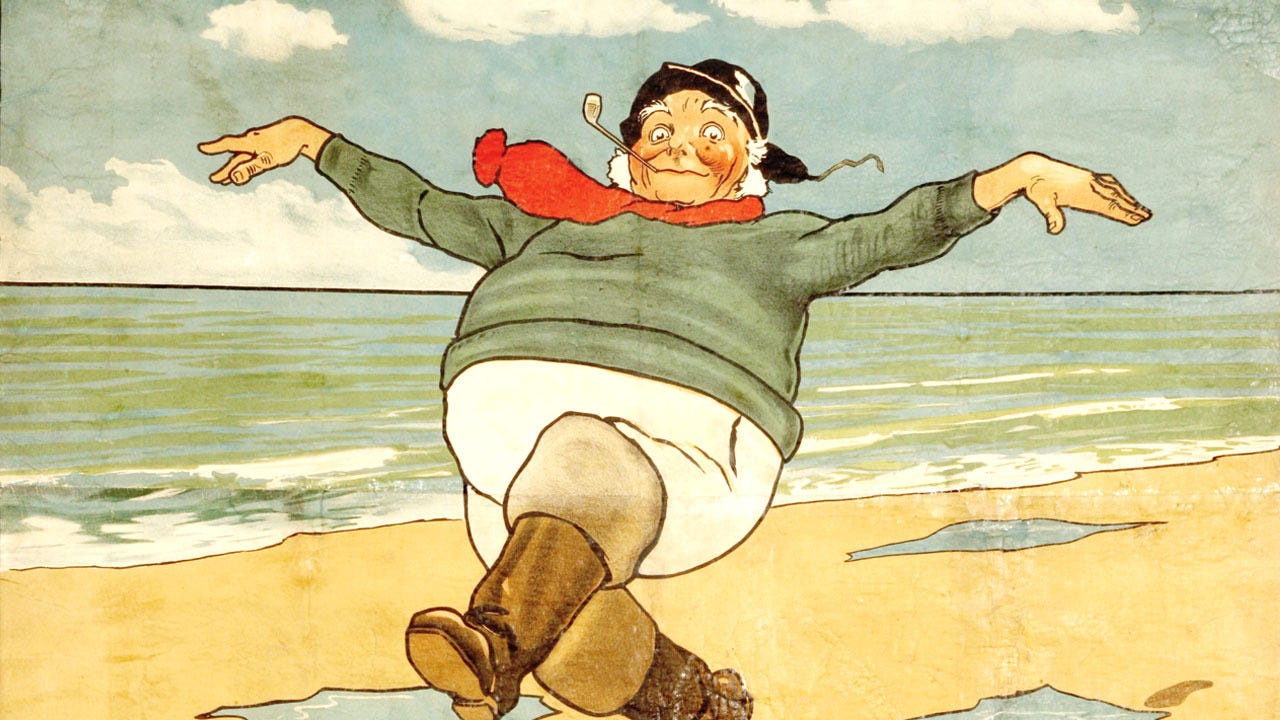
I didn’t know then. But I was storing all of it. The melancholy underneath the cheerfulness. The gap between the promise and the reality. The way a place can be funny and sad at the same time without being either.
Decades later, a fictional seaside town called Binley Bay would appear in a science fiction novel I was writing. It had been evolving gradually since that monorail ride.
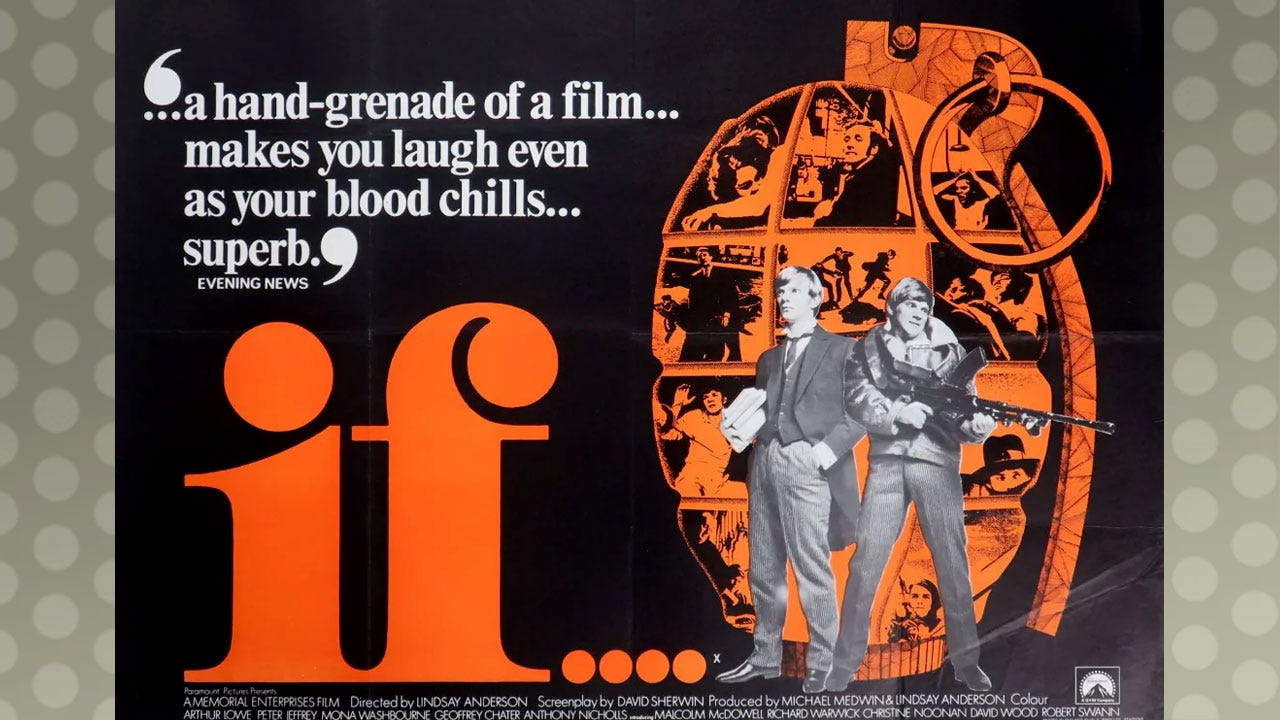
The film exposure came at the same age. It had a distinctly British flavour and came from a peculiar window that existed around 1968. How I Won the War, Richard Lester, (1967). If.... Lindsay Anderson, (1968). Easy Rider, Dennis Hopper, 1969. A kid from a Notts mining village absorbing them on a Comprehensive School Film Studies Course before anyone had explained what they meant or how to decode them.
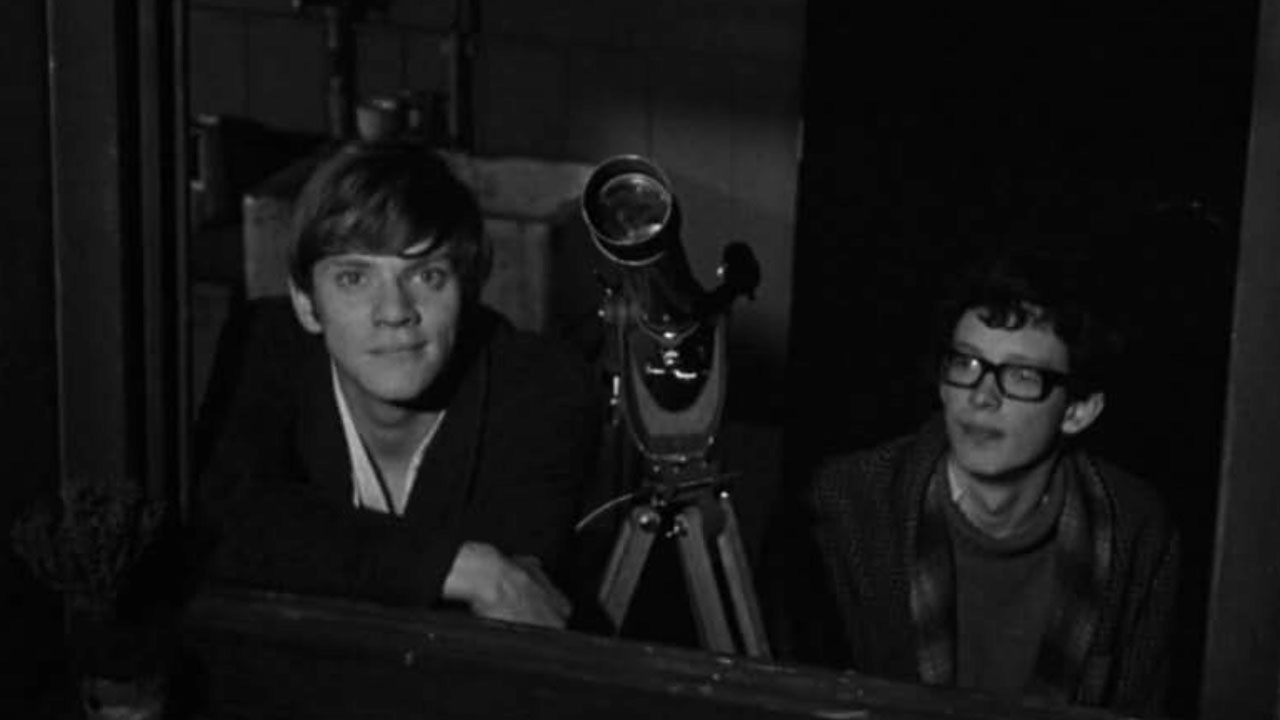
If.... didn’t feel like cinema. It felt like validation. The school as a repressive institution. Authority as performance. The line between what is happening and what is imagined never resolved. Anderson’s deliberate cuts between colour and black and white leaving you uncertain which world you were in. That level of uncertainty resonated with a fourteen year old who would never work down the pit like his Dad.
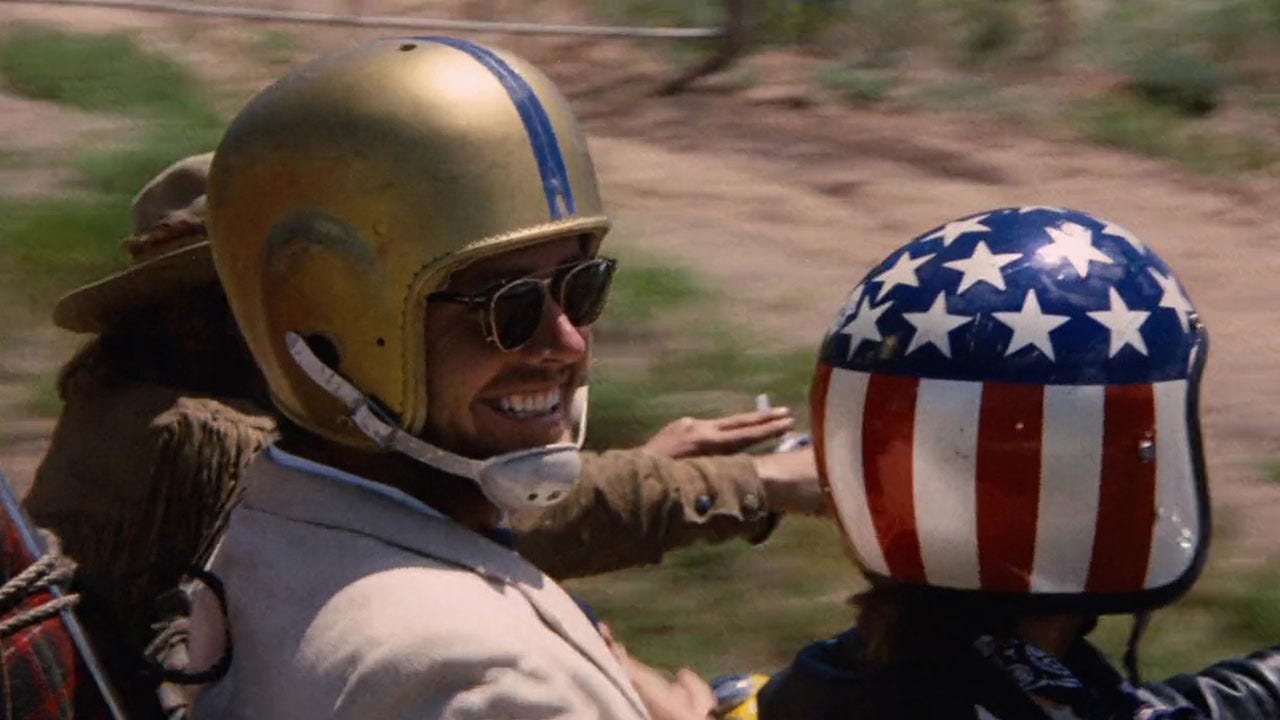
Easy Rider had three brilliant things. 1. Jack Nicholson. 2. Jack Nicholson on release from county jail, toasting Nottingham’s famous rebel writer, D.H. Lawrence. And 3. Jack Nicholson riding on the back of a chopper motorcycle. Oh and wearing a ridiculous gold football helmet - that’s four things... I could go on.
I was already obsessed with Americana. Apollo was on TV. Marvel Comics in my hands. Sci-fi paperbacks in the local library, and Bazooka Joe bubble gum hurting my teeth. America existed in my imagination as a mythological construct, vivid, romantic, and slightly unreal, viewed from the self-sufficient bubble of a mining village.
Easy Rider confirmed the darkness underneath the myth. It also confirmed that the darkness was worth investigating.
Art school arrived in 1977. Mansfield College of Art, then Clarendon College Nottingham. Then in 1980, Leeds Poly, Fine Art - a mixed-media course modelled on the Bauhaus. The idea that all creative disciplines belong together. That making and thinking are one and the same.
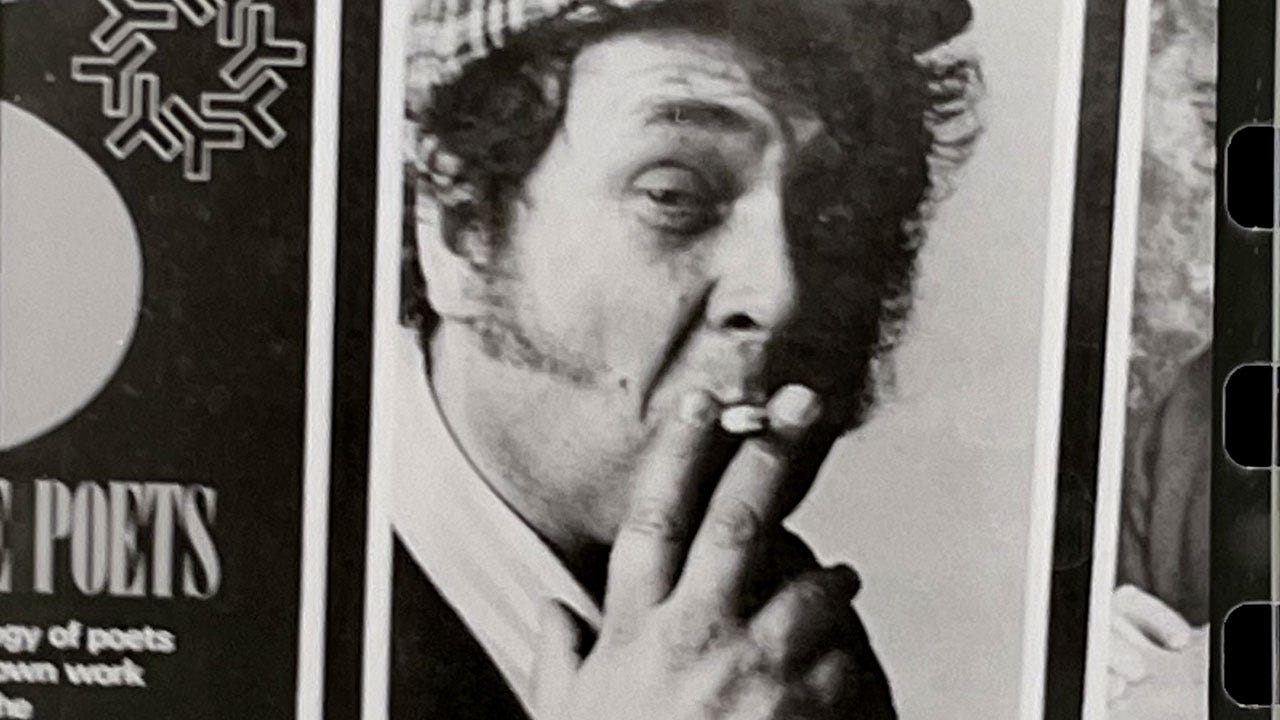
My tutor at Leeds was Jeff Nuttall. Author of Bomb Culture. Poet, jazz trumpeter, exuberant provocateur, larger than life, full of mischief and Tetley’s (ale not tea). His poetry was packed with whimsy and bodily functions. I have an LP of Nuttall poetry readings and it’s really funny. But also quite sad. Nuttall was a man who worked with the likes of Yoko Ono, and had turned his own macabre imagination into a creative methodology.
I was in good hands. Dangerous hands, but good ones.
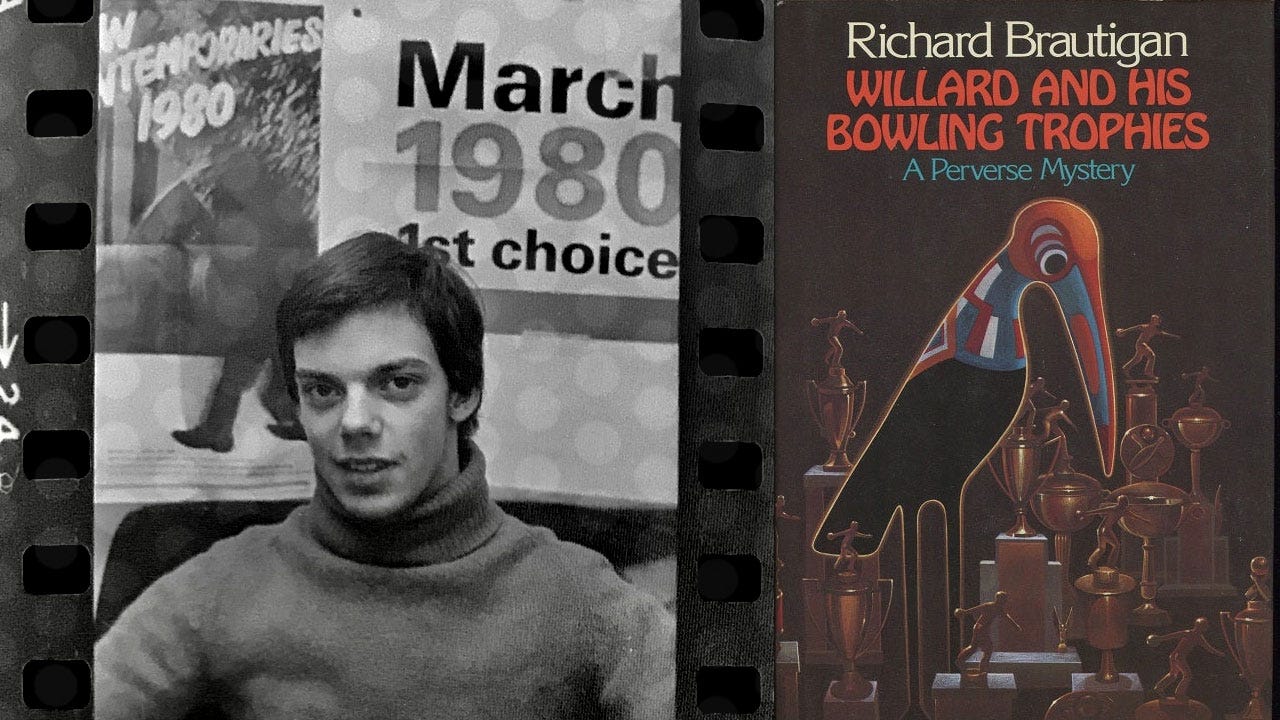
At Clarendon College, my friend Markie, a mature student who had grown up in Marin County California, introduced me to the beat poet Richard Brautigan. His peculiar lightness and whimsy, was embedded with something much darker. His surreal imagery landing quietly in your subconscious where it took root.
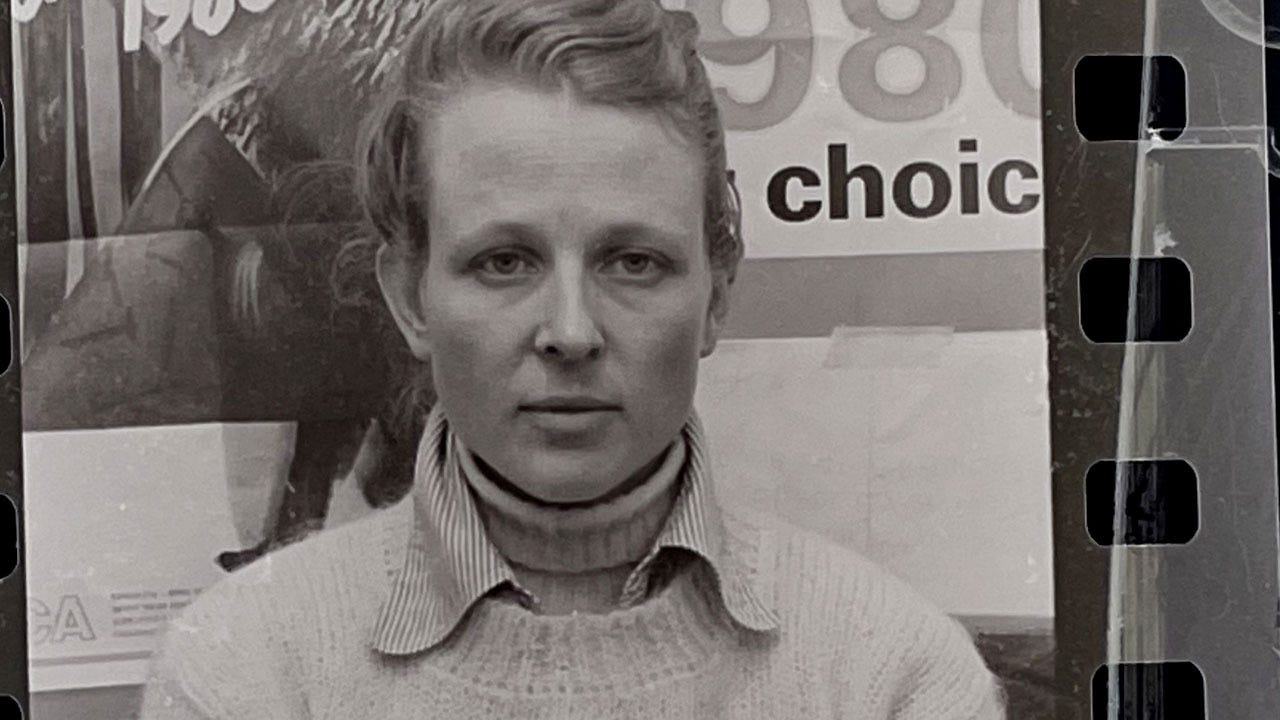
Markie shared Brautigan with laughter and anecdotes, the way the best books get passed on. She is no longer with us. Neither is Brautigan. But his books remain.
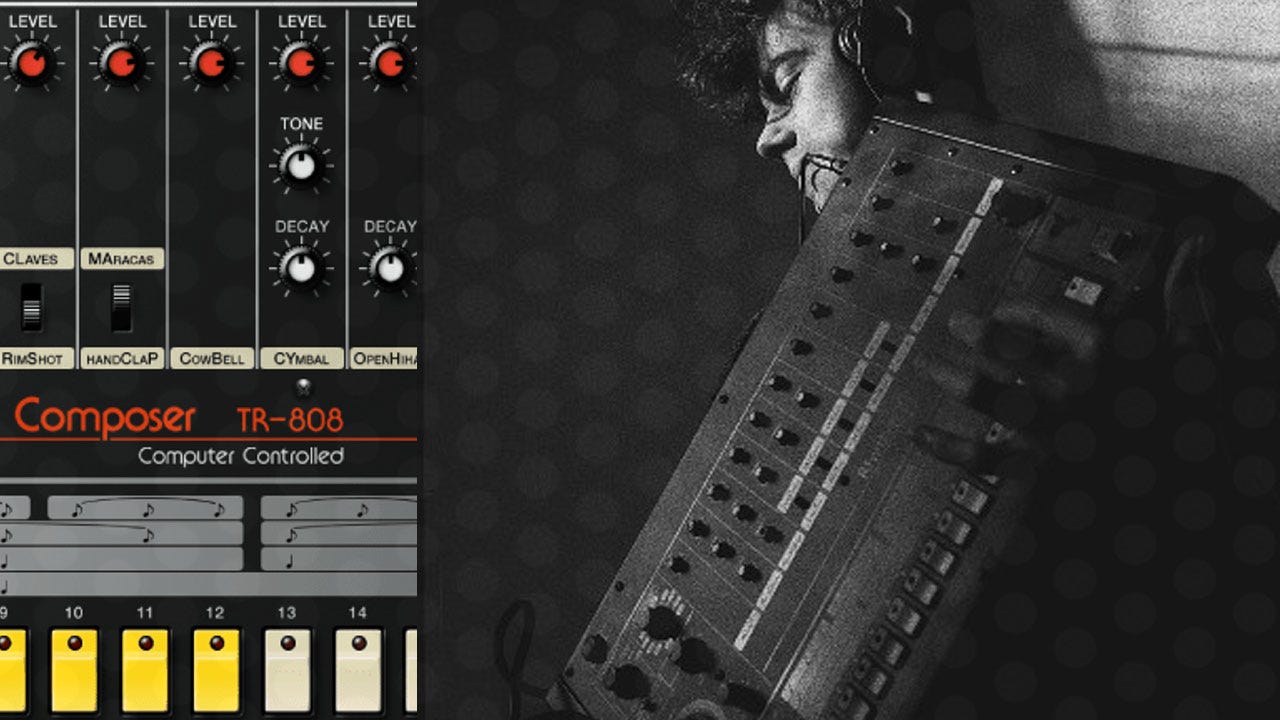
In the Fine Art Sound Studio, equipped with a Roland TR808 Rhythm Composer, funded with my student grant, we made music that owed something to all of the above - the cut-up techniques of Tristan Tzara and William Burroughs, the post-punk energy of the Leeds music scene, the playful melancholy of Brautigan, the dark comedy of Milligan. We called ourselves Smart Cookies. We played at the Poly and Nottingham Palais. We released demo tapes that came to nothing. Thirty years passed before our self fulfilling prophesy Loud and Lonely was released on vinyl.
In 1984 I sold the 808 and bought a BBC Computer. The next creative toolbox for me to open.
I tell you all of this because Houdini Window didn’t just appear from nowhere.
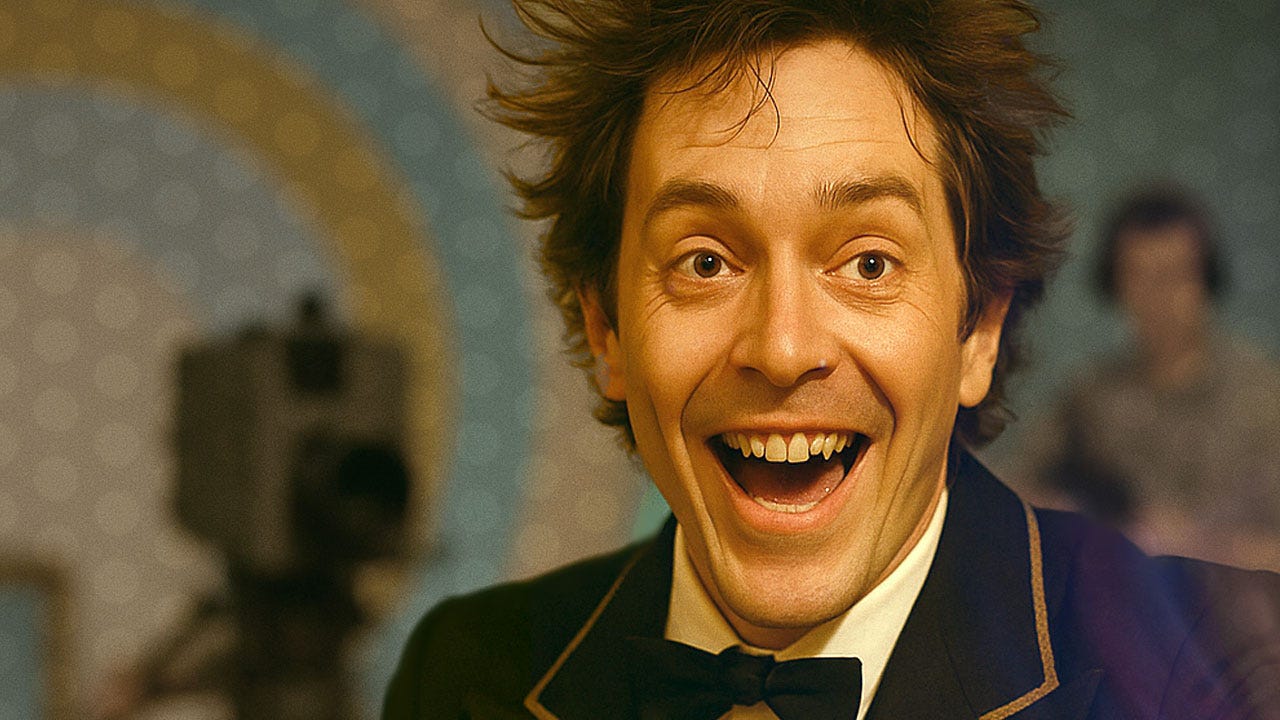
The story of a murdered magician, an escaped monkey called Elvis and a computer called Big Baby’ all converging on a sleepy seaside town - came from fifty years of accumulated culture, processed through every project, every platform, every collaboration that followed.
The dark comedy that makes you uncertain whether to laugh or cry. The melancholy underneath the cheerfulness. The gap between the official version and the truth, and objects that carry secret histories their owners don’t even recognise or even understand.
Milligan on a monorail. If.... in a cinema. Markie and Brautigan in a life-drawing class. The TR808 beating away in the Poly sound studio. All of it paying forward to a Seaside Sci-fi novel now approaching ninety-thousand words and counting.
Skegness started it.
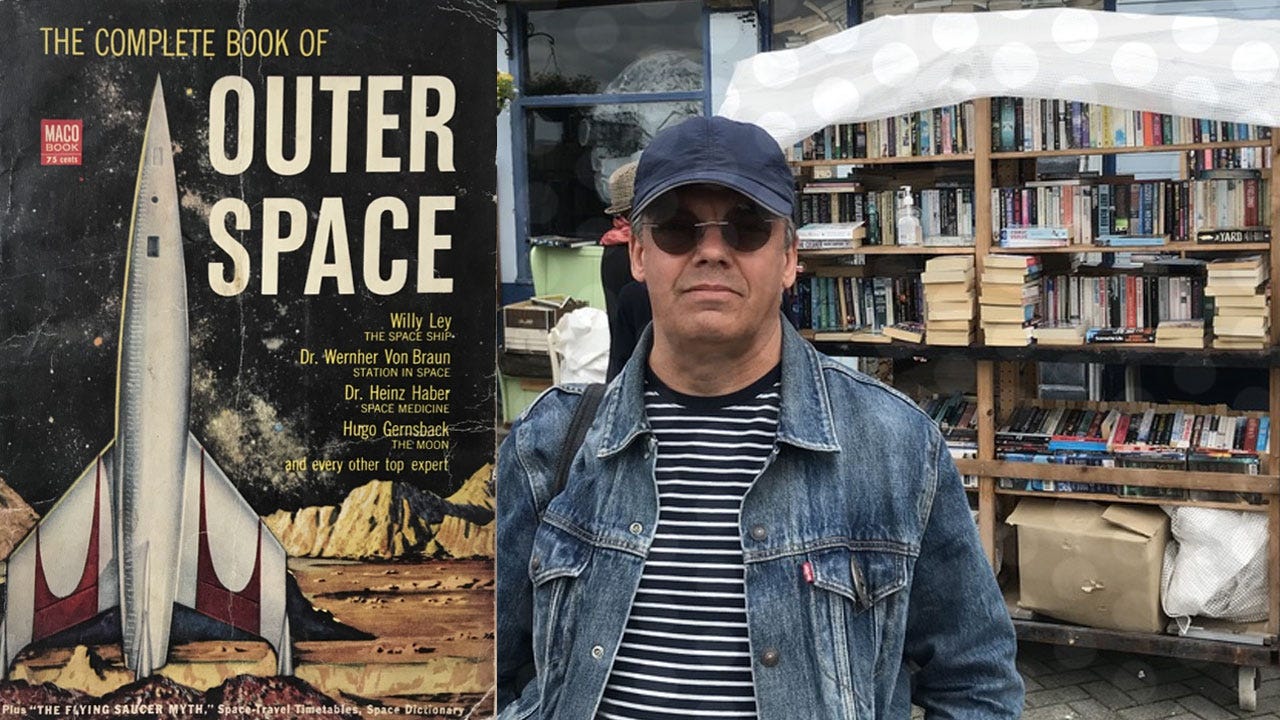
I’m finishing it in Morecambe. Not far from the bookshop where at the height of the American moonshots in 1970, I bought an Apollo 11 pendant and an Outer Space magazine that was originally printed in the 1950s. The cold war pages were really dated and had a certain musty smell, the rockets looked ridiculous, anachronistic and not like Apollo at all. It contained articles by Werhner Von Braun and fake photographs of flying saucers dancing around power lines, but I cherished those pages all the same.
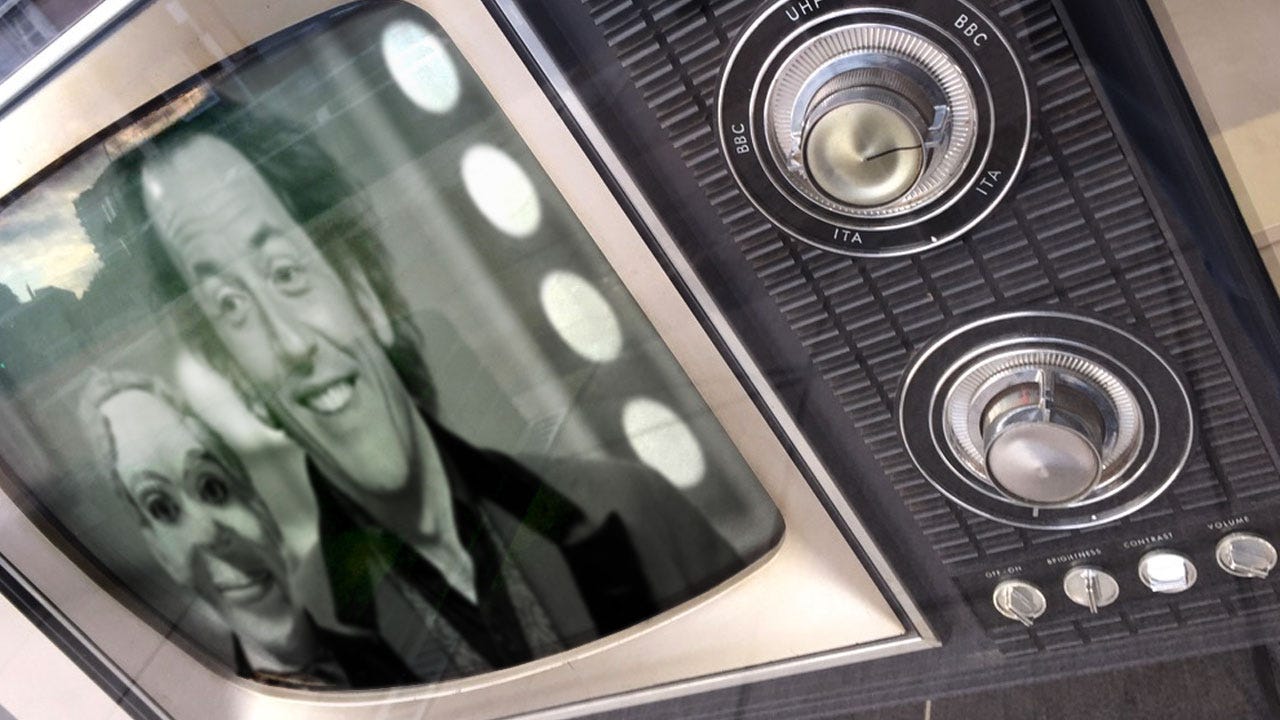
Listen to Billy’s Chinwag Theme.
Anyhow, Toodle-pip as we posh TV Celebrities say.
And remember. You Make Magic Real.
Houdini Window is a Seaside SciFi production by Paul Fillingham, with editorial support from screenwriter Adrian Reynolds. Sound Design by Thinkamigo. Follow our journey here on Substack.

Hello Paul. A rich, nostalgic and beautifully layered piece of creative memoir-writing, where personal memory and cultural history merge into a compelling artistic voice. Thank you so much for sharing.