


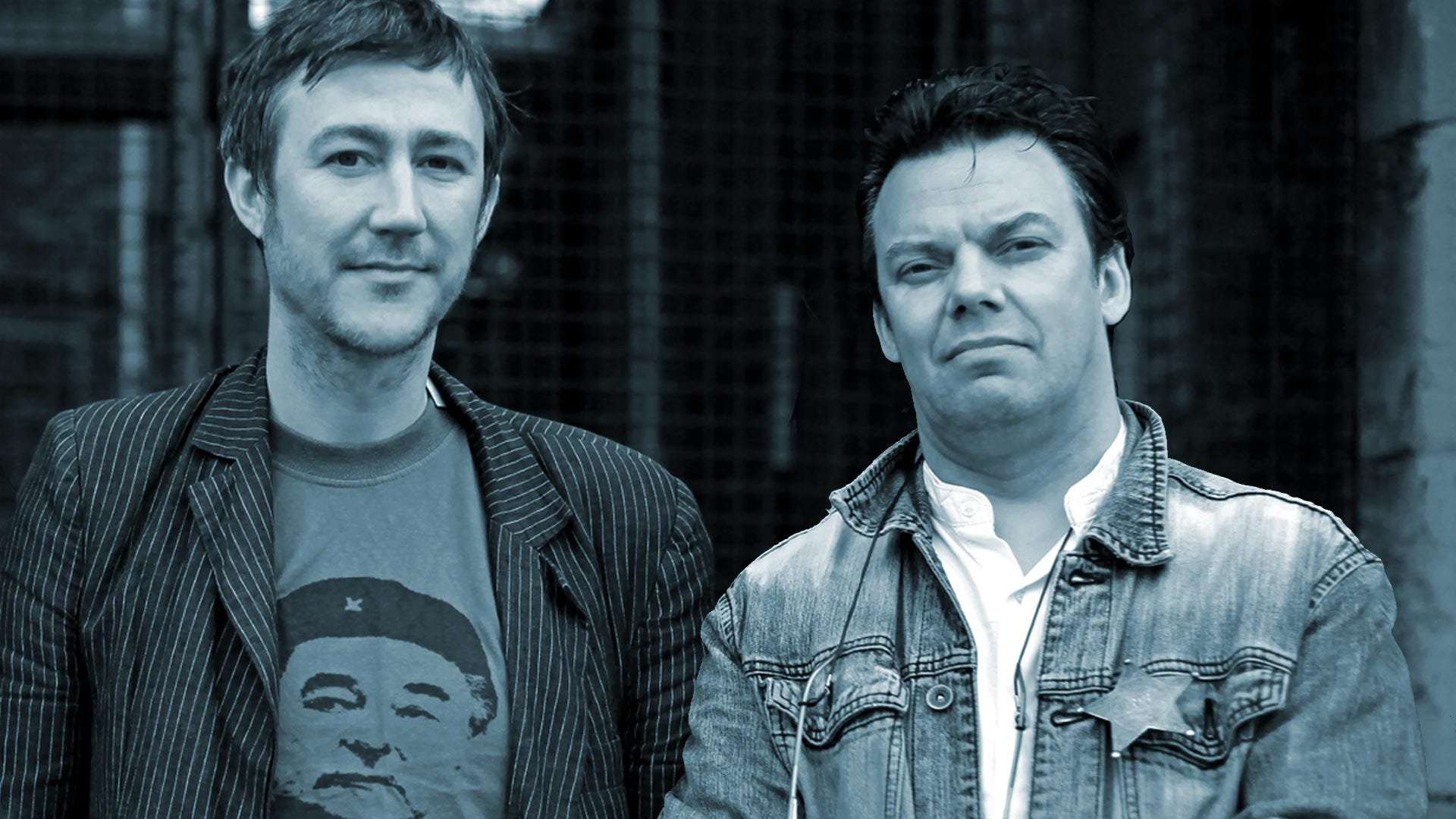
Week one was Adrian. Week two James.
Week three will be David. My people, creative collaborators, coming down a kind of digital humanities conveyor belt.
Welcome to the Design Intelligence Substack from Digital Producer Paul Fillingham. Sound design by Studio-thinkamigo. It’s here where we discuss the highs and lows of the creative process, from the very latest in AI-assisted design to digital storytelling in ‘Houdini Window’. This Substack is narrated in the voice of Paul Fillingham.
I’m not complaining, because it’s just a really nice way of catching-up with old friends. James and I, we hadn’t sat together in at least a year, maybe more. But today, on a sunny Friday morning, we’re sitting side by side on a wooden deck built out of old scaffolding planks that I got from a builders yard in Sheffield. More about Sheffield later.
We’re sat at a busy junction in a former pit village, right in the middle of Robin Hood’s Sherwood. It could have been a seaside pier, except there’s no sea for a hundred miles. Our sea view was a wonky old shed. And this isn’t the quiet bit of Sherwood forest either, it’s the bit with lots of traffic: Tractors, combine-harvesters, bikers on their way up to Matlock Bath, day trippers refuelling at the garage opposite, ready for a drive to Skegness.
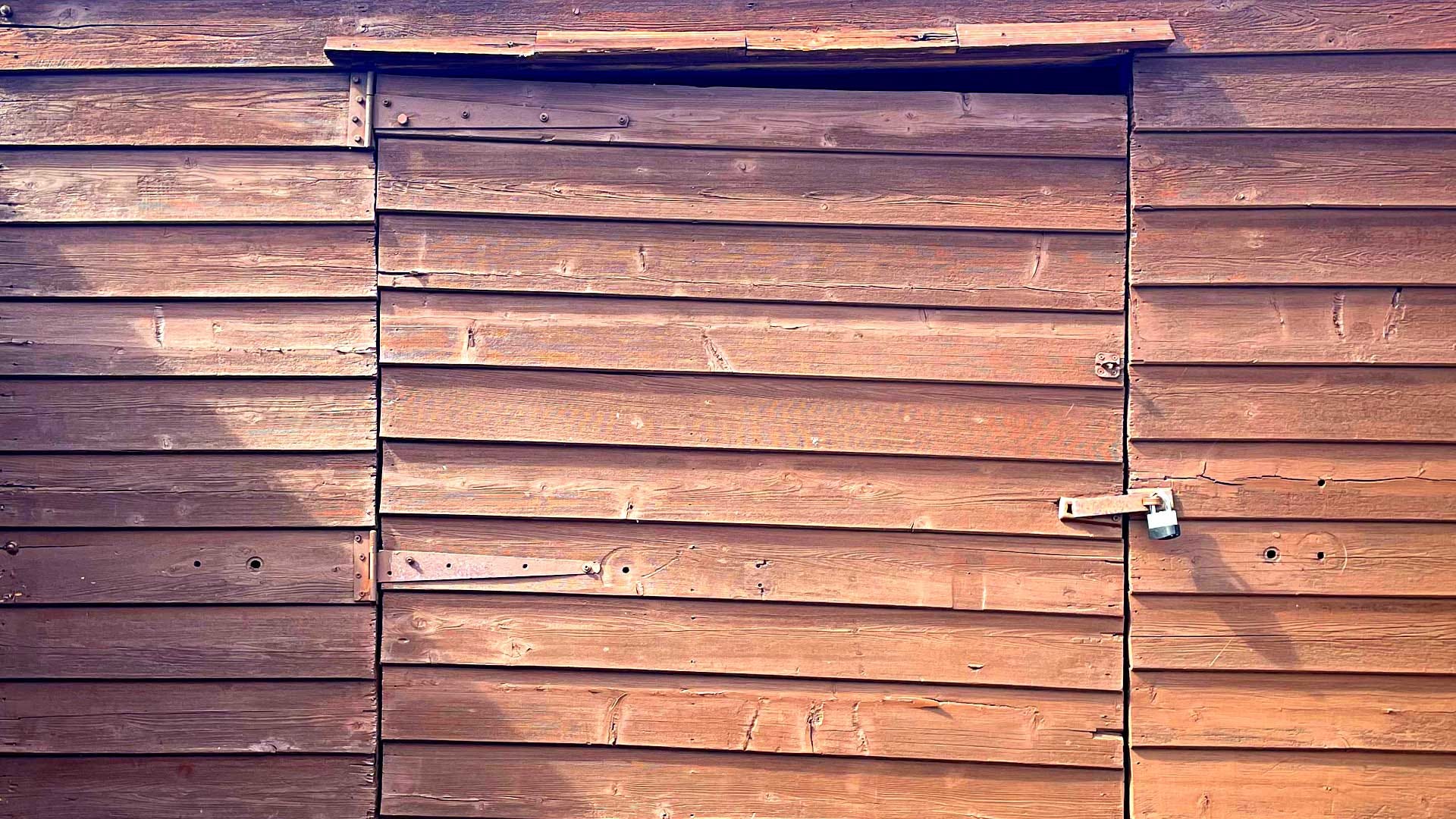
I told James that my manuscript for Houdini Window was salvaged from the shed, the one directly in front of us. The shed came with the house, I inherited it. It was already old, already leaning over the way old sheds do. I don’t know how old it is or what it used to have inside. Today it’s mainly tools and spiders, paint cans and cables, and my dad’s old shovel with the red insulation tape around the handle so you don’t get splinters.
And somewhere amongst all of that rammel (that’s a Nottingham slang word BTW meaning ‘rubbish’) having survived three house moves, it’s where the manuscript lay for six years. My Sci-Fi story wasn’t called Houdini Window back then. It’s working title was Puppetmaster, a comedy, cobbled together with TV puppeteer Marcus Clarke. It was just a screenplay and a mood-board made up of images pulled off the internet in 2009. I went looking for some of those old sources last week. Most of them are just 401 errors now.
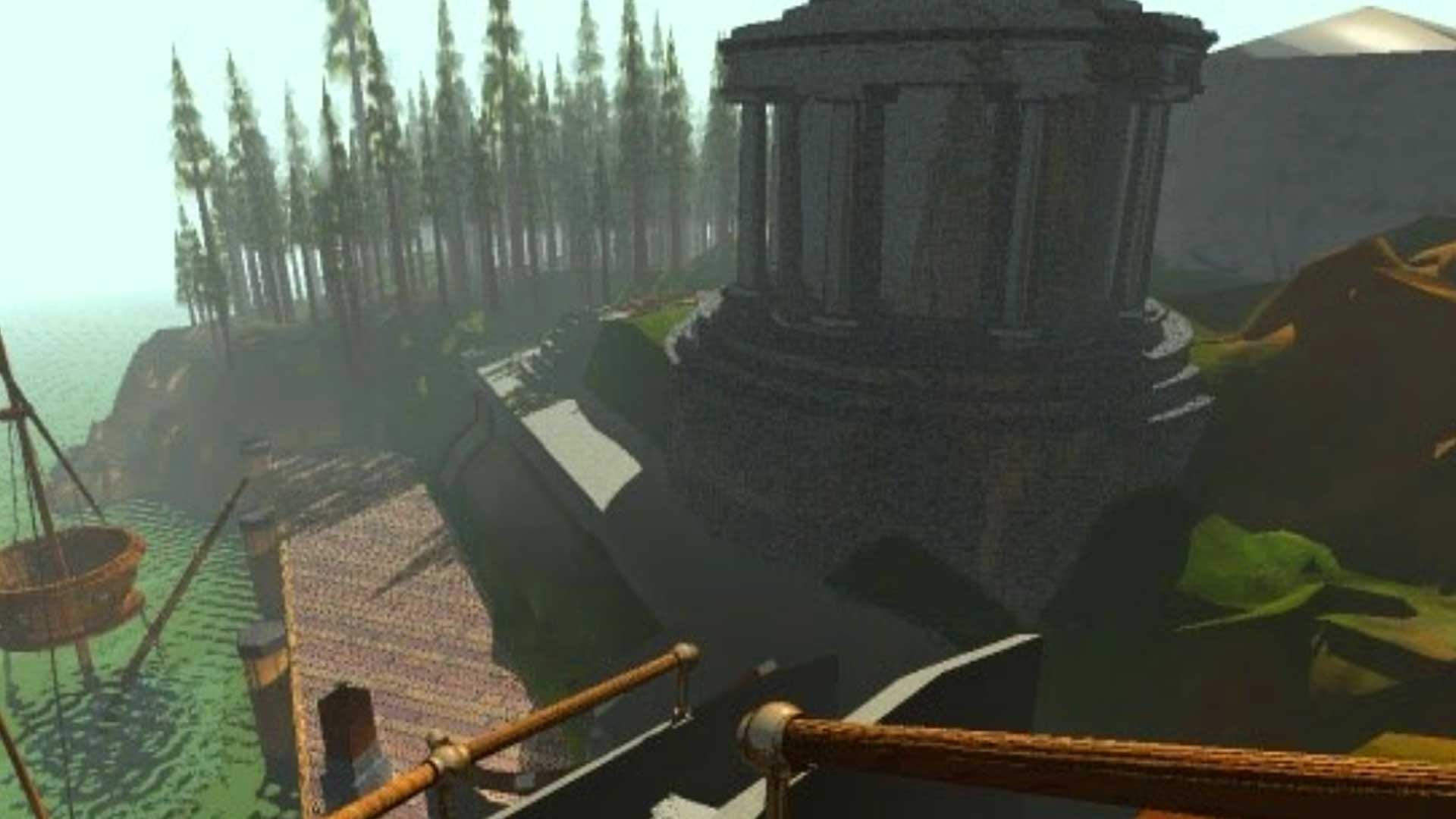
My son’s been telling me for years that the internet’s mostly dead and he’s right. I’d been thinking about ‘the dead internet theory’ the week before, with Adrian. I’ve been trying to work out how I build a website for a story like Houdini. I expected it would be something along the lines of The X-Files, or The Blair Witch Project. Dense websites you could really get lost in. Clues buried three pages deep. Built, I reckon, by a generation raised on Myst, the Mac-based CD-ROM adventure game with the infuriating puzzles and amazing graphics that still hold up today.
But there’s nothing like that anymore. Whoever built those websites, assembled that digital content, have vanished like a magic trick.
The funny thing is, that same Myst generation went on create the ABC cult TV series Lost. But their official website has gone too, ‘lost’ if you like. I was disappointed when I discovered the website had gone because I thought it might inspire me.
I do believe the appetite for immersive fiction is still out there, it’s just that it’s moved to the world of streaming box sets, TV drama’s created by independent production houses funded by the likes of Netflix or Apple TV.
This got me thinking about Central TV, and the issue of civic pride. How a city holds onto something valuable like that. Or doesn’t and loses it. Central TV was the regional ITV franchise for the Midlands in the 1980s. Originally based in Birmingham but then moving closer to home to a purpose-built studio complex on Lenton Lane in Nottingham. The talent and crews filled the city’s hotels, bars and restaurants throughout the 1980s.
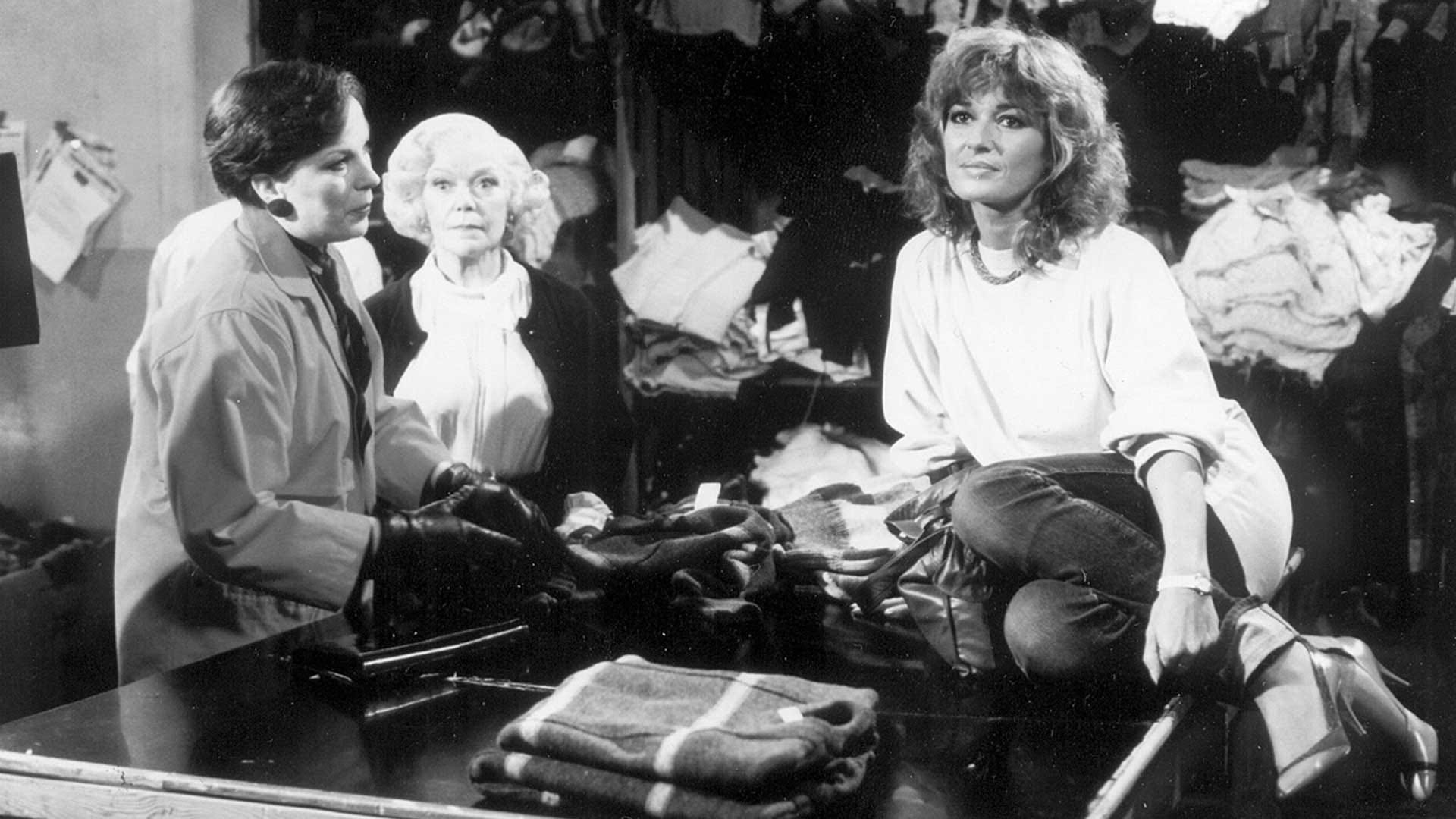
Auf Wiedersehen Pet, Boon, The Price is Right were all produced in the studios a few yards from where I worked. No big stars exactly, though a couple went on to be quite famous across the pond. Stephanie Beacham and Pam Ferris for example, who landed roles in Dynasty (Sable Colby) and Matilda (Mrs Trunchbull) respectively.
Beacham and Ferris were involved in a Central TV rag-trade drama called ‘Connie’ which also starred my drama student friend Georgia Allen. It was gritty and saucy, and local and I never missed and episode. Filmed all over the city, and on Mansfield market too, it captured something about the East Midlands identity.
Then the dream factory of Central TV ended, the whole thing, just like that. In a similar vein, last year we lost the local TV station Notts TV, which had been quietly training the next generation of broadcasters and giving a voice to local people. Both closures are something I still can’t quite get my head around.
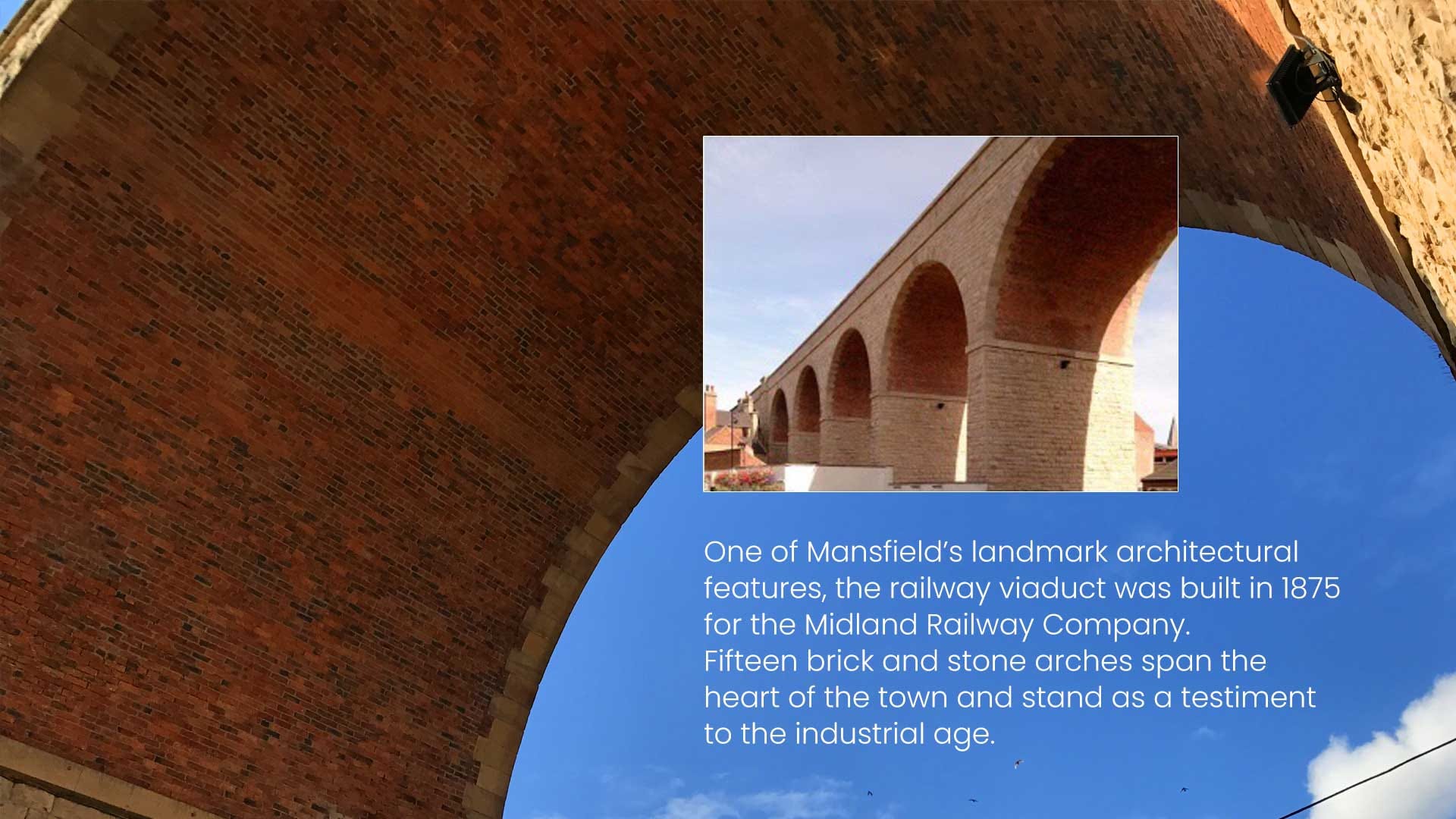
It’s the same feeling Mansfield had in the seventies when the passenger trains stopped running. A giant brick viaduct slicing the town in two, but with nobody travelling over it, only coal trucks. Nottingham’s a bit like that without its own TV channel. The viaduct is still there but nobody’s using it.
My friend James is a literary critic as well as an English Lit lecturer, so the first thing he wanted to know was about the book I’m writing. Thirteen episodes scoped, episode one recorded and ready to go. That’s a different answer than I’d have given him a year ago, and we both knew it without saying so.

I described a few characters to test the water. Cordelia and her difficult, sometimes abusive boyfriend Adam. Laurie, kind and oblivious while things escalate around him. His vent doll Billy cracking jokes. His best friend and business partner Lord Reginald Kingsley, doing dark things in the corridors of power. An escaped monkey called Elvis, who steals sunglasses from seaside shops because apparently even chimps need to look cool.
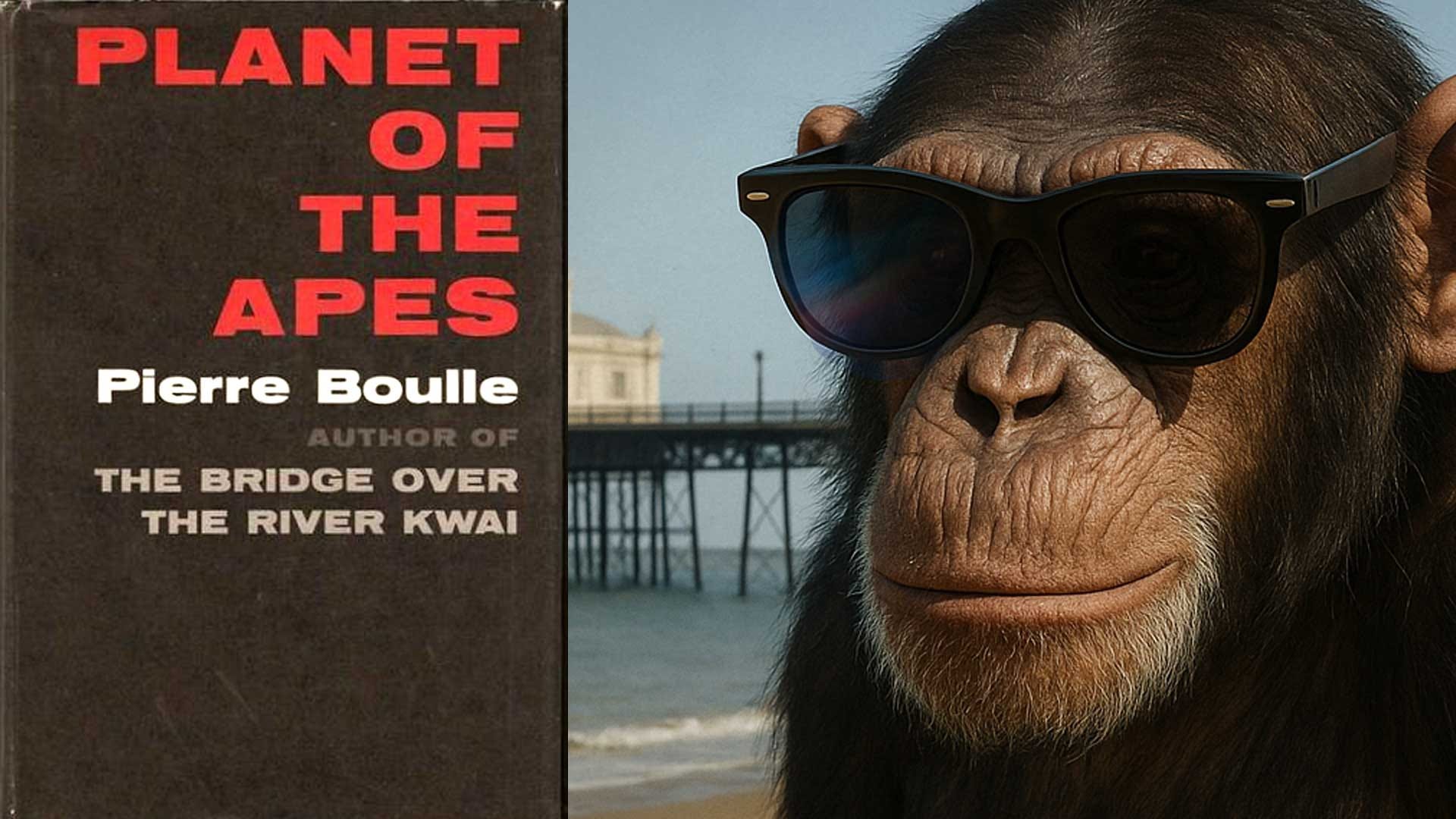
James told me to read Planet of the Apes, the 1963 novella by Pierre Boulle. ‘Brilliant piece of writing’, he said. The Moon watcher in Arthur C Clarke’s 2001 A Space Odyssey is another simian reference. I told him I’d read the Planet of the Apes comic as a kid.
Houdini Window is science fiction. It has rockets and some weirdness that occurred in Lincolnshire in 1961 and Philadelphia in 1968.
But there’s nothing shiny about it. Picture a promenade at a location like Binley Bay on an ordinary weekday. Grey sea, grey sky, a chip shop with steamed-up windows. That’s the texture of it, not chrome, not fins, not countdown clocks. The characters fluctuating between good and bad intent, just like real people do, objects and events blurring the boundary between what’s magic and what’s science, and the realisation that they are two sides of the same coin, really.
James picked up on something else during our chinwag, something I don’t think I’d said out loud before. He noticed how the seaside humour turns dark. How you laugh at something ridiculous, Elvis the chimp stealing sunglasses, or maybe stealing something far more valuable, and then a few pages later you feel faintly guilty for having laughed, because in this story, humour is always a trap.
‘This is a definitely a Netflix series,’ said James. He wanted more. So, we went inside, booted up the Mac and the big screen.
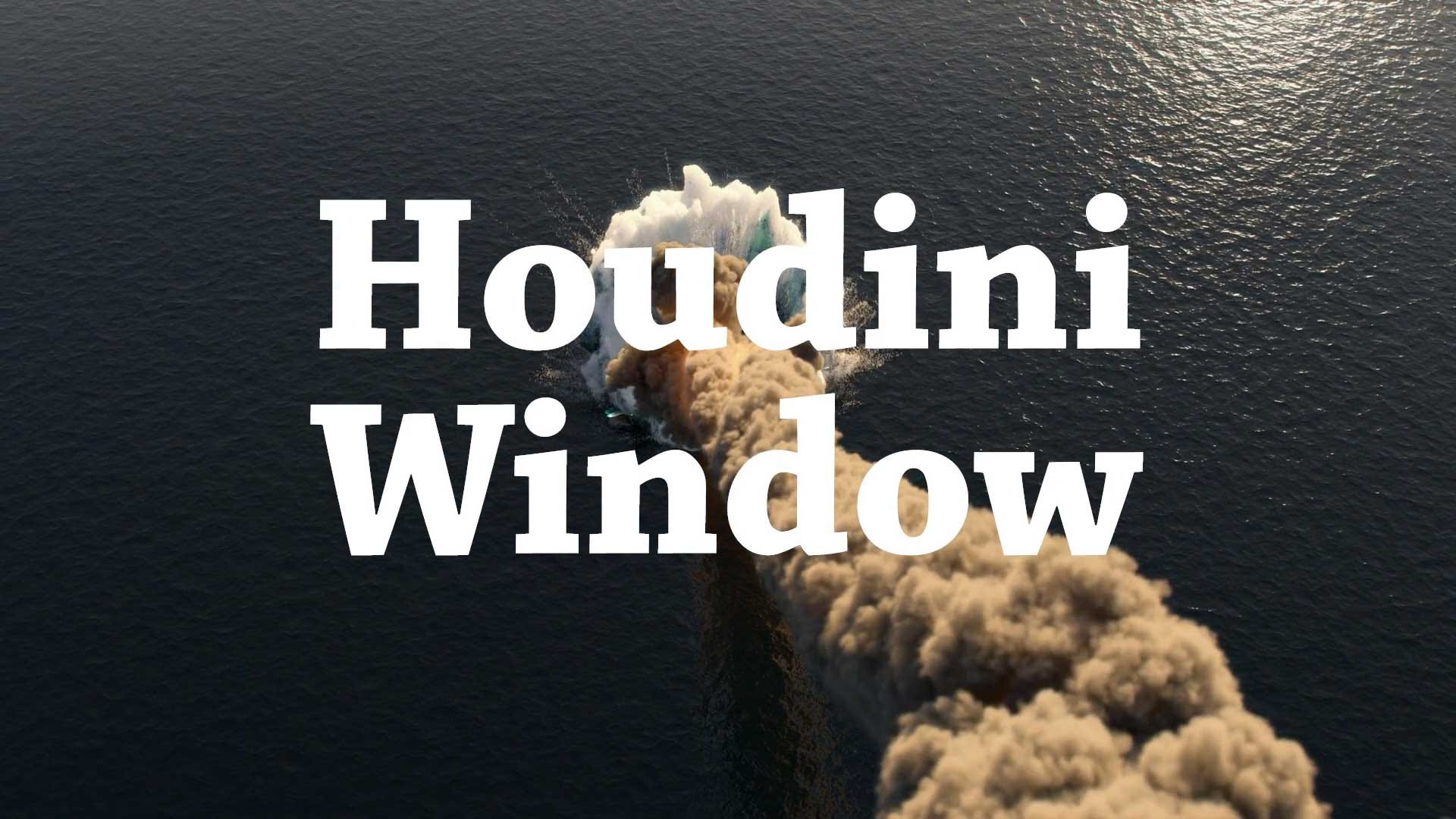
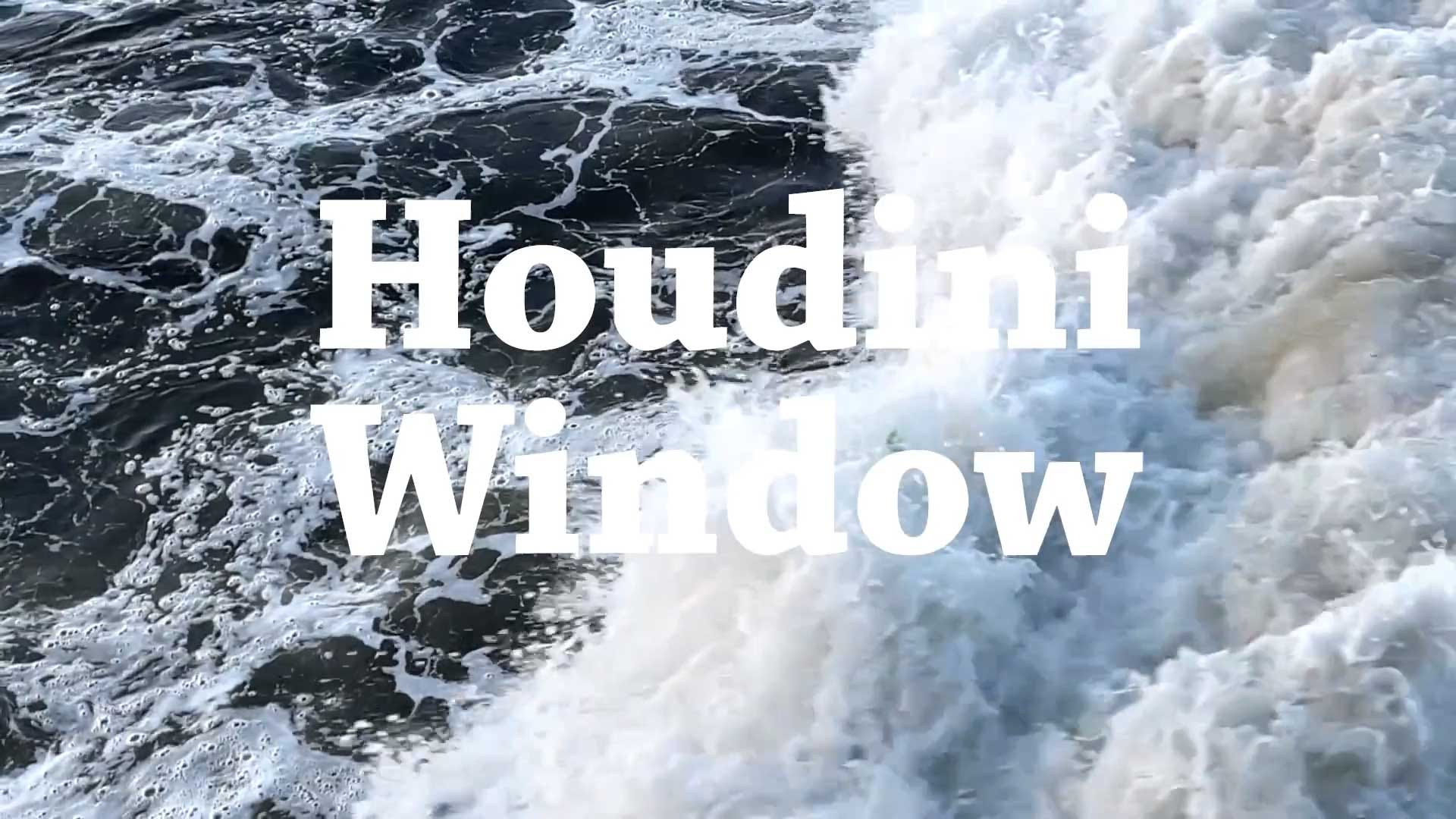
I played what I call ‘the splashdown trailer’. Something burning, falling out of the sky, consumed by the grey sea and foaming white tide. The orbit is stock footage. The waves are mine. Shot at Roker beach in Sunderland almost a year ago, off the jetty with the lighthouse at the end, the one that used to house prison cells. I’ve seen the jetty battered in winter storms and you wouldn’t want to be locked up inside.
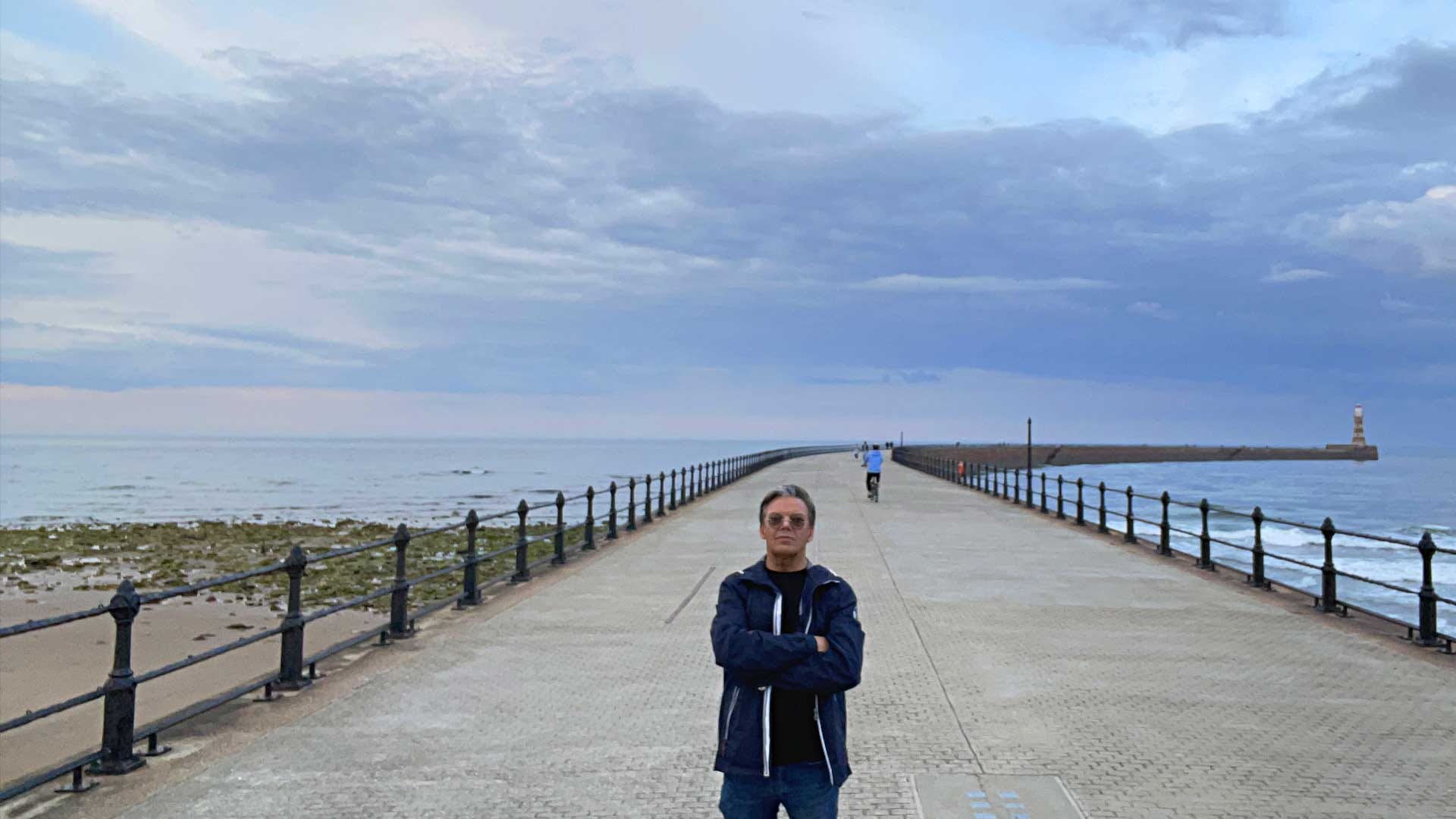
I knew exactly what I wanted from Roker. Slow motion video to exaggerate the white foam. A few takes, until a wave came in the right size. James was amazed by the quality of the production. Sound effects, music, the brand-mark, all cut together in Adobe Premiere. ‘Nothing AI generated in it at all’ I said, it felt worth saying out loud in a conversation that was mostly about AI. There’s a chimp screaming in there too, barely audible. In space, they say, ‘nobody hears you scream.’ (Ridley Scott’s Alien 1979).
I showed a few of the AI tools I use, and how I write briefing documents in Obsidian rather than just throwaway prompts. ‘What’s actually out there’ for a lecturer whose digital storytelling course is locked into a walled garden serviced by Microsoft 365 and Copilot.
He invited me in to teach his students - a couple of workshops to introduce them to the creative process - how to develop long-form fiction, how to develop characters, timelines and plots, and how AI can be used to visualise and organise ideas.
He said his students would be interested in my episode outline - a Google Doc, which details the who, the when, the what and the why. Mapping a story which spans generations from the nineteen-forties to present day.
I ended up playing sections from episode one. Laurie Lovelace holding court in his primetime TV show Billy’s Chinwag, which took us sideways into the old ITV Central Studios again.
Billy’s Chinwag isn’t just set in a place like that. It’s built out of it. Studio Eight. Specifically, the same one where The Price is Right was made. Leslie Crowther commanding a huge live audience, packed in tight and whipped up into a frenzy by warm-up artists. It was a complete sensory overload, brassy theme music, out of focus trashy tinsel and primary colours. That’s Laurie’s whole show, lifted wholesale, with some mass hypnosis thrown in for good measure.
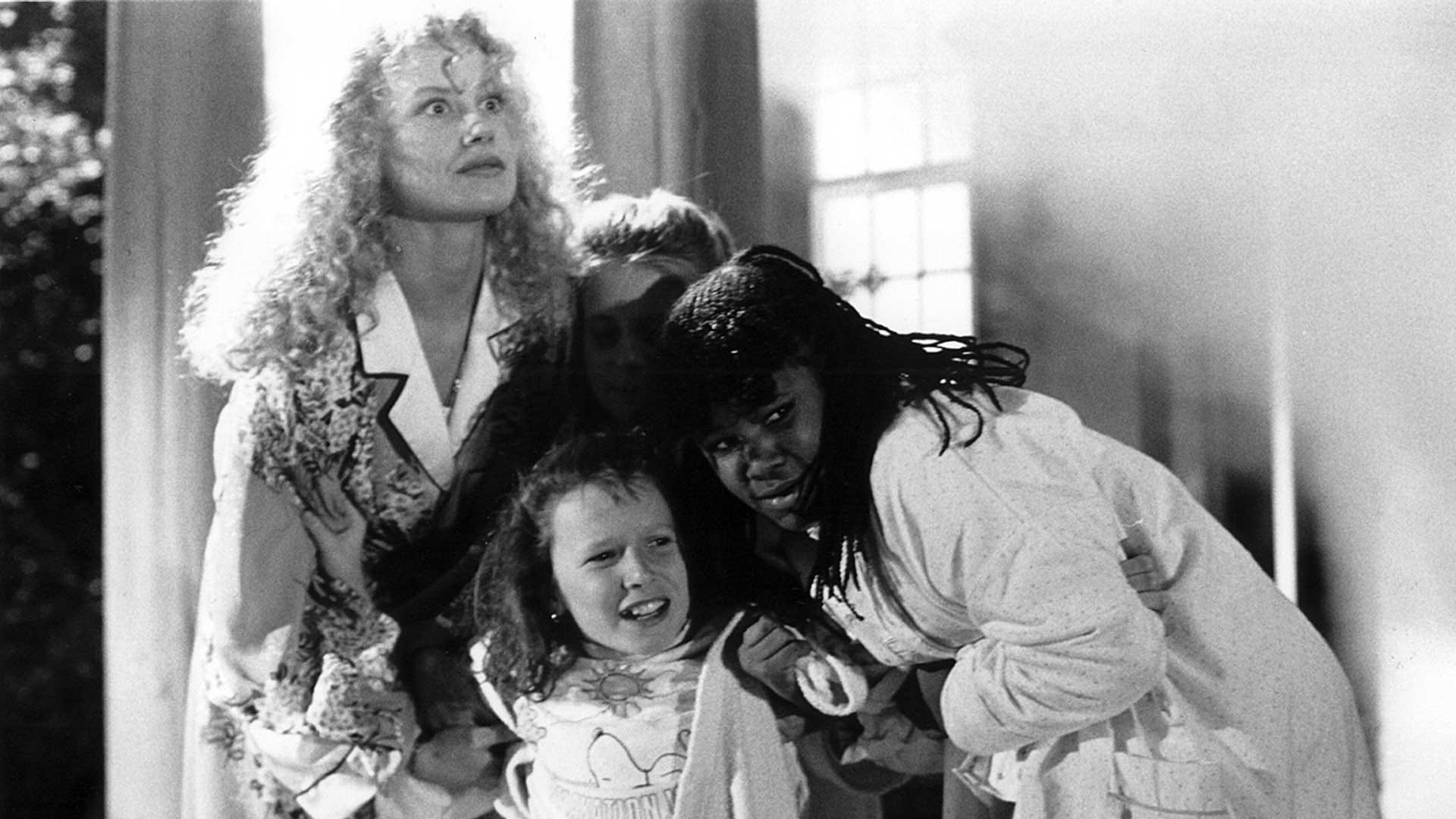
The stills of Central TV are real, some from my old Headland Communications days, pulled straight out of the shredder before anyone noticed. You save what’s worth saving.
In the opening episode of Houdini Window you hear the Central TV ident just before Billy and Laurie launch into their stage routine. I remember the atmosphere of the place, and worked at Central TV on studio graphics for a kids show that my friend Georgia was in. That was years before Laurie existed.
James said the Billy’s Chinwag theme sounded ‘pure nineteen-eighties’ which it should, because that’s exactly where I stole it from!
Somewhere in that conversation, I said ‘Laurie’s a bit like Brucey.’ Bruce Forsyth, that manner he had, the showman, the warmth with something knowing underneath it all.
My grandmother Phylis loved Brucey. She had a taste for his camp humour and double-entendres, and her own pet name for him, a bit cheeky, which I’m not putting in this post, because I’ll get banned. It made James laugh though.
Phylis is the person who took me to Skegness as a child. She introduced me to the seaside humour of the theatres, the postcard kind, saucy on the surface whilst perfectly innocent at the same time. Brucey wasn’t at Central, he was LWT and BBC, but the conveyor belt on the BBC’s Generation Game is exactly the same image I was reaching for. Prizes going past while everyone tries to remember what they saw through the window. Which is roughly what I’ve got with Adrian, James and will get with David later. A creative conveyor belt of my own, except nobody’s trying to remember the cuddly toy, and we’re just turning up for each other, with a few creative ideas and a bit of a chinwag.
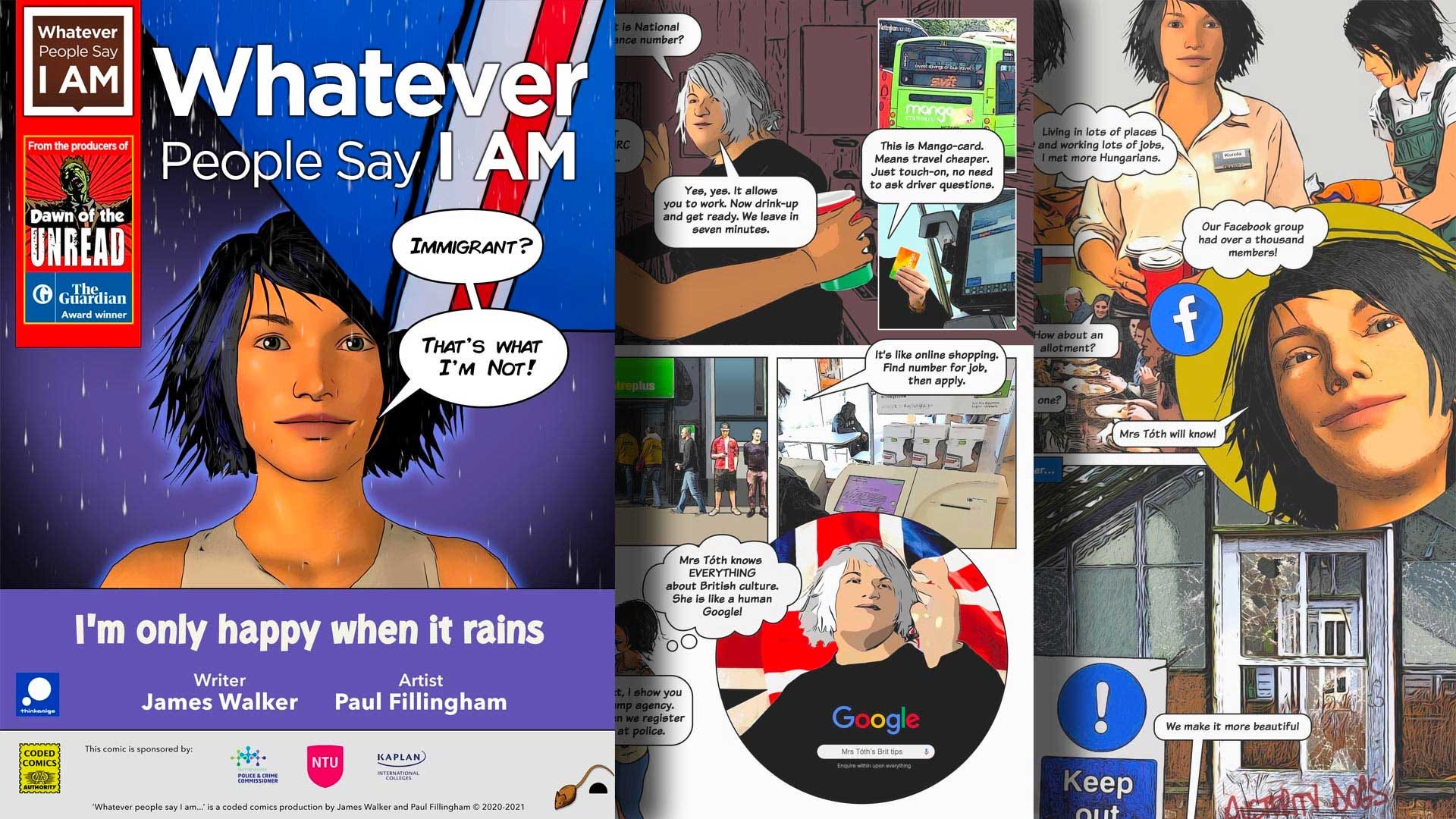
James and I also talked about a website we’ve run together since 2019, it’s a digital comic called Whatever People Say I Am. It’s a bit buggy and it needs a new home online, and I’m the one moving it, since James isn’t remotely technical the way I am. James often calls me when he needs something doing, and most of the time we just see stuff the same way, the themes, the values, and I get on with it. There’s a new comic waiting to go up, it’s called Bornhub and it’s about the life of a camera. It’s a comic that nobody’s seen yet, drawn by a couple of students. I showed James the cover art I designed back in April; he liked it, it’s been waiting on my hard drive ever since.
The title, Whatever People Say I Am, isn’t ours, not originally. It’s a line from Alan Sillitoe’s, Saturday Night and Sunday Morning (1958) borrowed with a proper credit and a long-standing relationship with his son to back it up. Unlike ‘that lot’ from Sheffield, the Arctic Monkeys, who lifted it for their album without acknowledging the source. Sheffield frequently tried to lay claim to Robin Hood, when everybody knows he’s from Sherwood Forest, and Maid Marian is from this very village. Or so they say.
Then James landed a really, difficult one. He asked me to describe Houdini Window in thirty seconds. A countdown. Basically, the same device that features in a game show, prizes rolling along that conveyor belt while the clock ticks down.
The question was harder than it sounds. Adrian and I have been inside this story for so long we don’t have to compress it anymore. We just point to bits of it, and the rest is just telepathy. James doesn’t have that shortcut, at least not with this project. He was asking me to prove, on the spot, whether I knew what I’d built, not just what was in it.
So, I said, two characters, same starting point. Very different paths. One drifts toward good, mostly by instinct. The other drifts toward something else, mostly by circumstance. Neither of them planned it that way.
I thought about the darkness of the humour and how it sometimes blended ‘death and delight’. And the realisation that devising a compelling way for someone to come to a sticky end is gratifying for both the storyteller and the reader!
Anyway, ‘toodle-pip’ as we posh TV celebrities say. And remember...
You make magic real
The Design Intelligence Substack is a Studio-thinkamigo production.
James Walker
Links to the amazing TV Whirl web archive created by Terence Burridge.
The 'red insulation tape around the handle so you don’t get splinters' is the kind of detail that makes a person real on the page. We know exactly who your dad was and what mattered to him through that one pragmatic detail. Maintain these clues throughout your book and the reader will feel your hand. PS I've just emailed you about the cover. Urgent as always...