


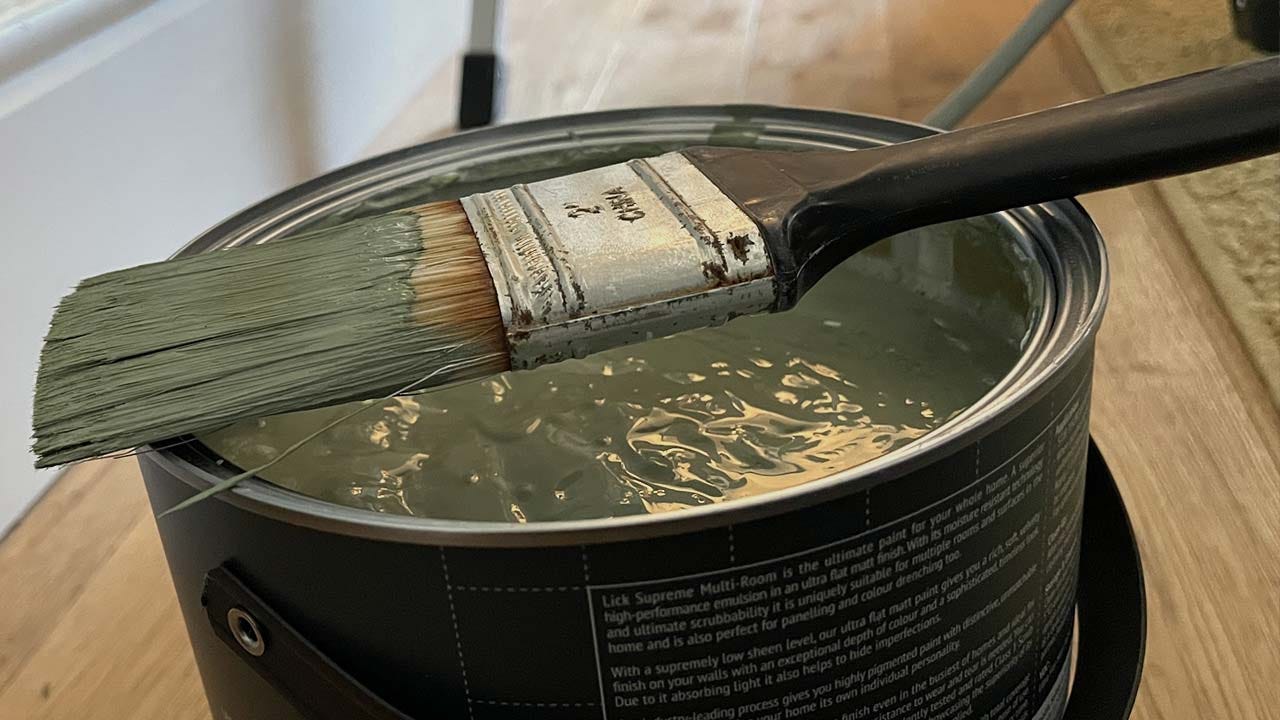
I’m climbing a step ladder with a paintbrush in my hand, and it’s loaded - with paint. I’m comfortable with the process of painting and decorating, it’s something I can do. I’m OK with ladders too. Well, I’d have to be really. You see, my first job involved working as an investigation photographer for Nottinghamshire Fire and Rescue. And it helps if you have a head for heights.
Welcome to the Design Intelligence Substack from Digital Producer, Paul Fillingham. Sound design by Studio-thinkamigo. It’s here where we discuss the highs and lows of the creative process. From the very latest design projects to digital storytelling in ‘Houdini Window’. This Substack is narrated by Paul Fillingham.
Heights and ladders don’t really bother me. What bothers me is that light switch, that one just there, by my elbow. I’m not touching that. When your job is shooting what’s left after a fire, you learn a healthy respect for the people who know what they’re doing, the ones with the experience and the certificate.
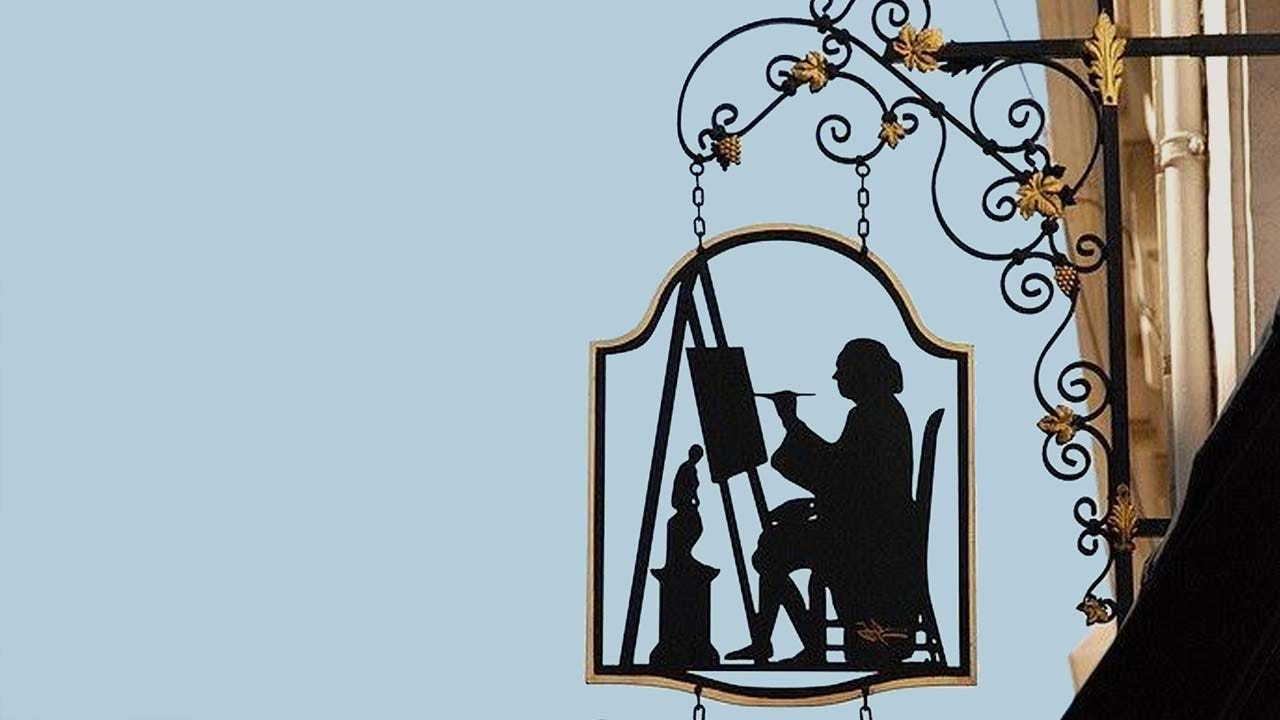
And that’s a very old idea. In medieval London the painters had their own guild, and they guarded their trade jealously. The plumbers had one too. Everybody knew their place, and nobody did anybody else’s job. Nobody had thought of electricians yet, of course. But when they did come along, they worked in exactly the same way; their own trade, their own rules, their own piece of paper that said they were experts in their trade. It was the same in television where it was called ‘restrictive practices.’ At Central TV you could get a stern reprimand for moving a chair or opening a door when that was the job of a stage hand.
And there’s a good reason for trusting in experts. If I get the painting wrong, you get a drip on the skirting board. If I get the wiring wrong, you get something a whole lot worse.
So what happens when the plumber turns up with a tool that lets him do the electrics as well? Because that’s more or less where a lot of designers are right now.
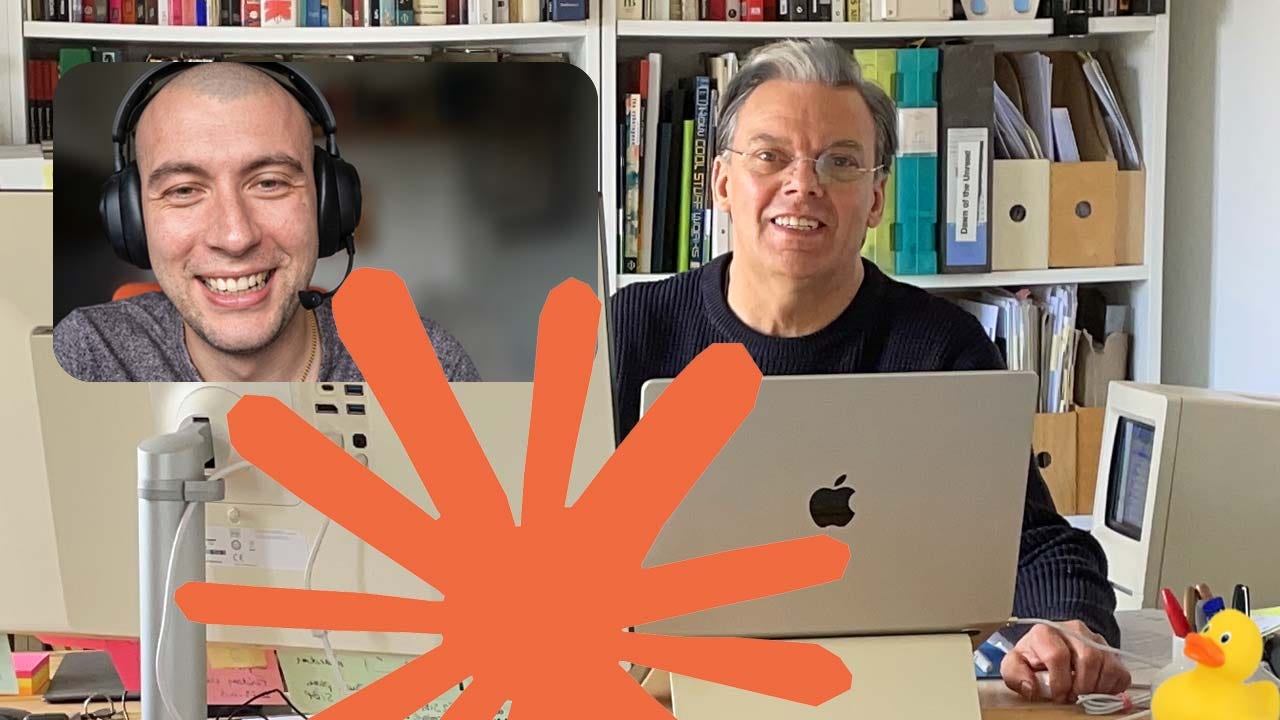
A couple of weeks back, I was talking to my friend Chris Leo about exactly that. Like me, Chris is a User Centred Design Lead, and we go way back. We met in Shipley in 2019, working at a Government office located next door to Salts Mill and the model village of Saltaire. The office doesn’t exist anymore; too much flooding and asbestos. So it was bulldozed some time after Covid and we were all told to go to Leeds instead.
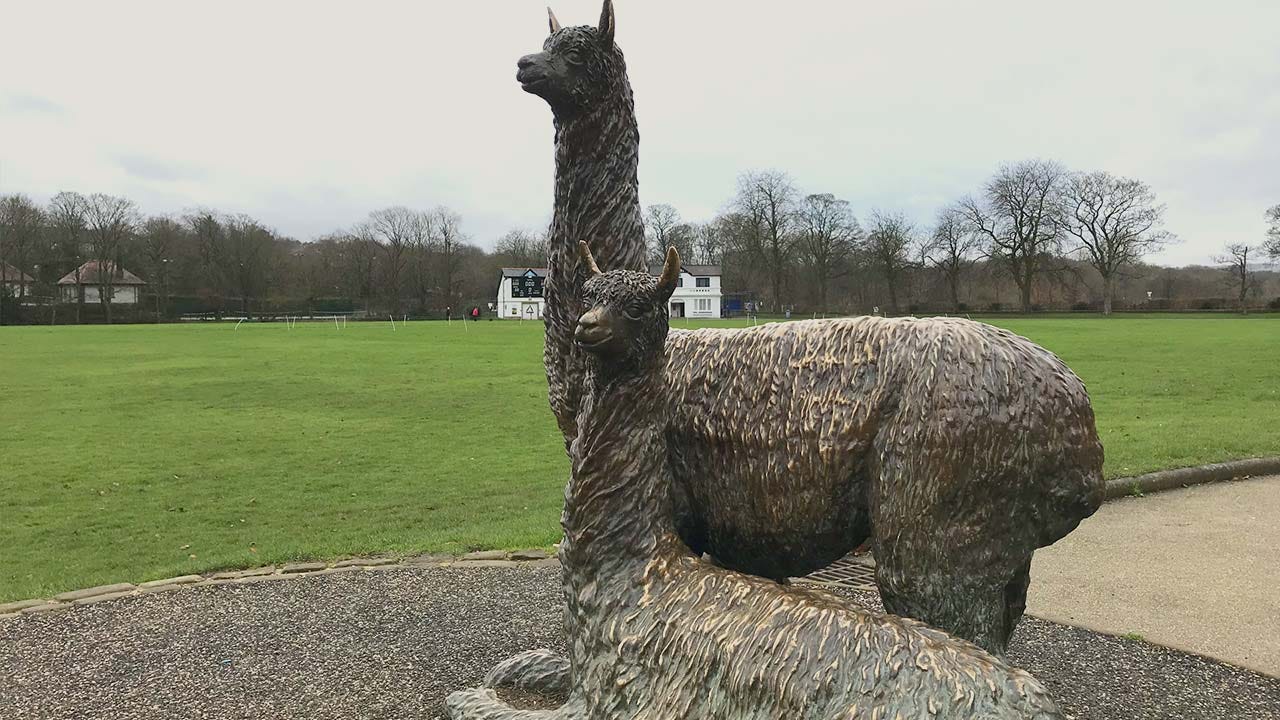
Saltaire is a strange and wonderful place. Titus Salt built it in the 1850s so that his workers could live next door to the mill where they spun and wove the wool that came from alpacas. Saltaire is a place of neat terraces, a church, a school, a park, and famously no pubs or washing lines. Titus Salt was a benevolent mill owner, but he also liked to decide what was good for you.
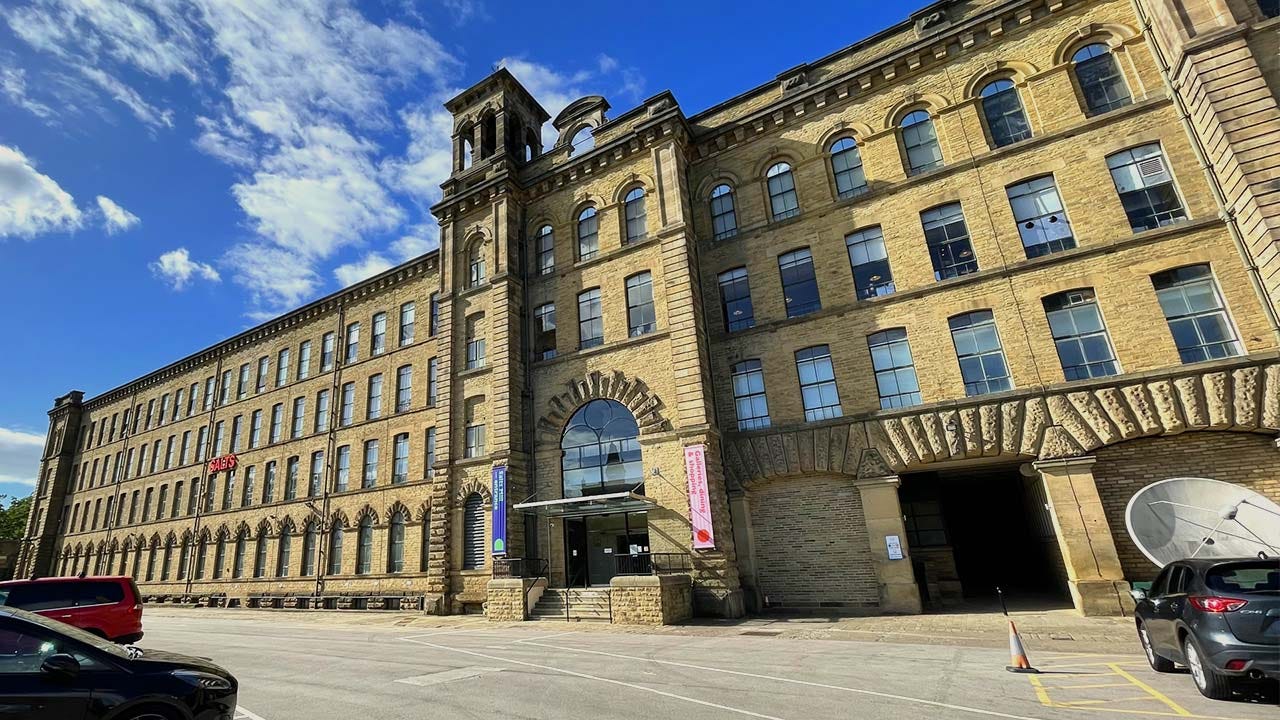
Salts mill closed in the 1980s. Though these days it’s a UNESCO World Heritage Site, after it was rescued by local entrepreneur, Jonathan Silver, a friend of David Hockney, the Bradford lad who became Britain’s best-loved painter. Today, the old mill has galleries, a bookshop, two restaurants and is full of Hockney prints and originals. I’ve always been a fan of his work.
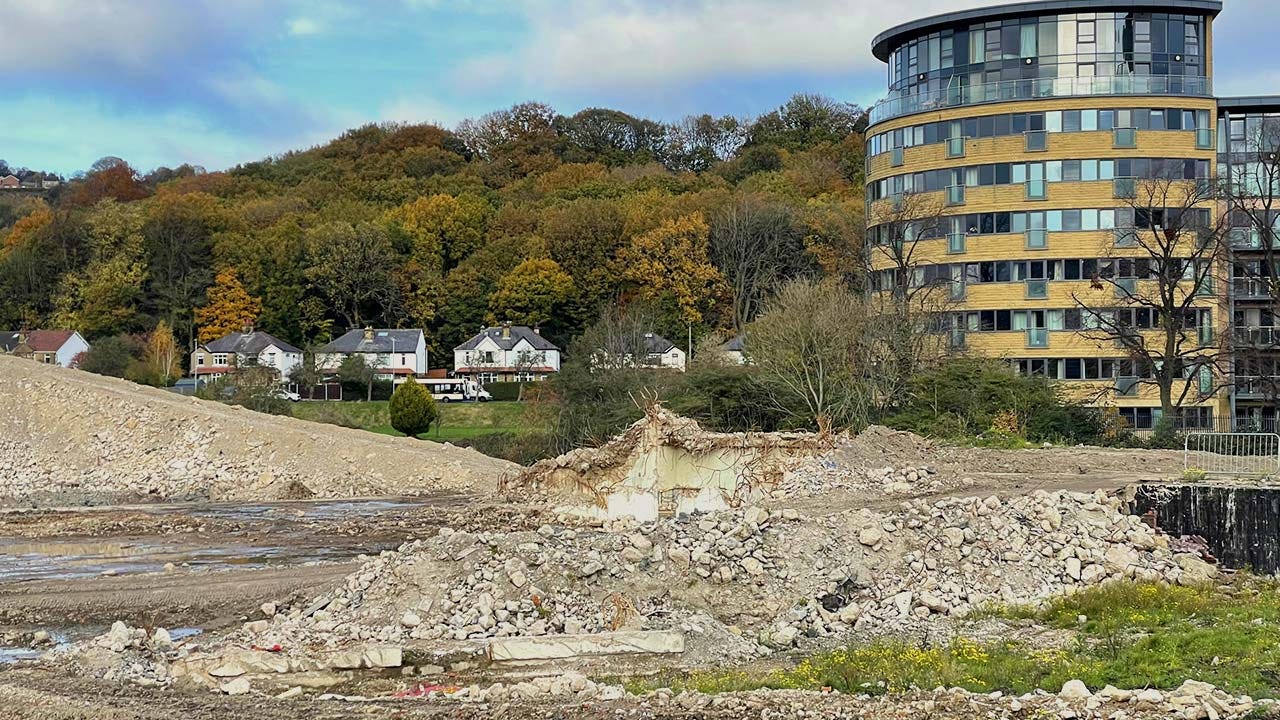
Our old office has gone, and so has Hockney. He died in June, aged 88. But the mill, and his pictures are still there.
The last time Chris and I worked together, he had hair. That was about two years ago. Two years doesn’t sound like a very long time. But in AI terms it’s a lifetime. Two years ago, most of us were just using AI to summarise a document or maybe write a poem for a colleague’s leaving card. I hadn’t even started with Claude two years ago. I’d never really touched Visual Studio either. And GitHub was this mysterious thing that developers used.
Now I’m migrating my WordPress websites, and as part of that process, Claude has introduced me to both Visual Studio and GitHub. And the whole process just works.
Chris was coming at it from the other side. He’s done some official Claude training, but like me, he’s now building things that once-upon-a-time would have been handed over to a software developer. But this isn’t about taking someone else’s job, it’s more about getting things done and having a better understanding and a greater appreciation of the developer’s lot.
The Curse of Claude
Chris mentioned a plumber he knows, who also happens to do roofing and front doors, which sounds like a great deal, but in fact presents you with a major trust problem. With Claude in the mix, we are designing just like we’ve always done, except that now we feel like design engineers. Chris mentioned ‘feeling enriched and optimistic by the experience of using AI’ but worried that in expanding our knowledge into other areas, our credibility somehow becomes diminished. My reading of this goes back to the old saying about ‘being a jack of all trades and master of none.’ When what’s really happening is that we are mastering multiple skills. We are, in Chris’ words, ‘becoming more T-shaped.’
In my experience, designers are generally forward-looking, optimistic, early adopters. So when a tool like AI comes along, we’re going to embrace it in order to get things done. And that can be both liberating and a curse at the same time. It’s liberating because we remove the obstacles that get in the way of creativity, but it’s a curse because sometimes we are seen as heretics. There’s this perception that AI is doing all the work for you, which isn’t entirely true, it’s merely clearing the way for you to do more quality work.
Hockney the Heretic
Twenty-five years ago, David Hockney argued that the Old Masters had used lenses and mirrors to help them paint. The art world were up in arms about it. Hockney of course was pretty nifty with a paintbrush. But in the late 1980s he also became a ‘dab hand’ with the Quantel Paintbox. So, Hockney was a T-shaped heretic, long before the arrival of AI.
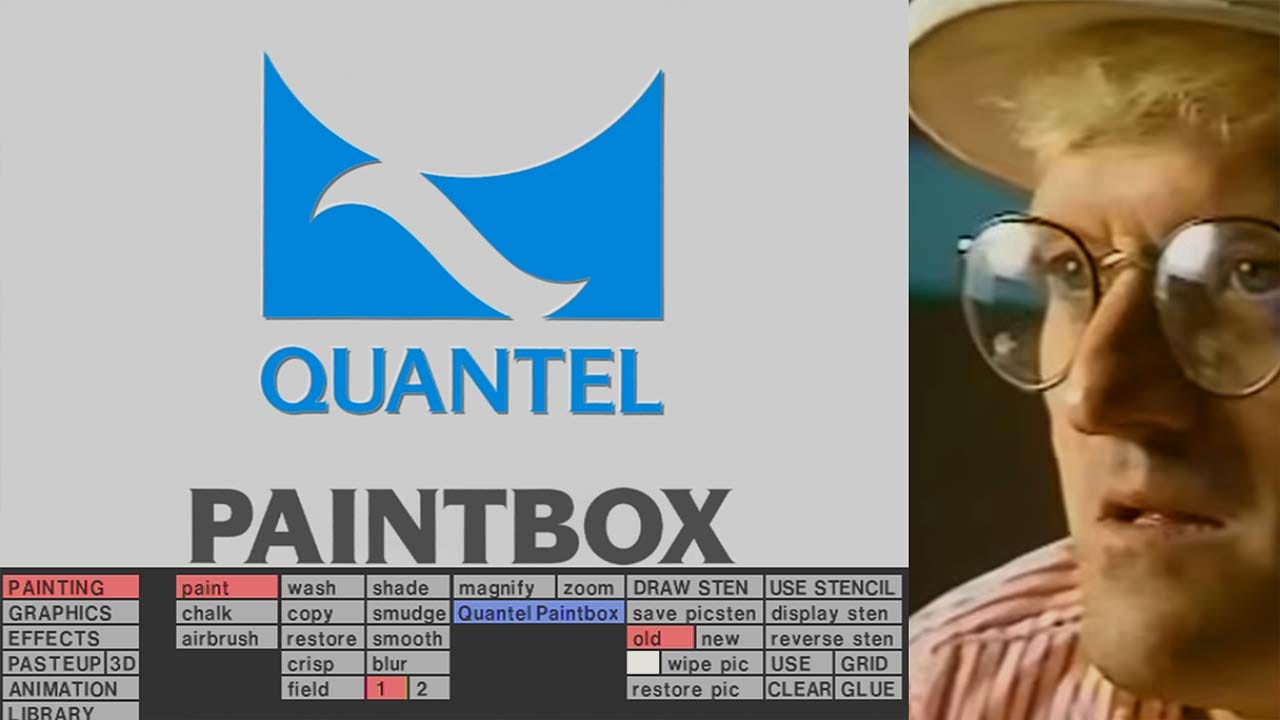
I was lucky enough to work with a Paintbox in 1989, producing TV graphics in a former textile mill in Nottingham. There was nothing like it at the time. And compositing images on a half-a-million pounds worth of computer was a real luxury.
Parallel Workflow
Today, my Claude assisted workflow goes like this:
Write the markdown brief in Obsidian
Upload it to Claude
Wait for Claude to generate the code
Feed the resulting code into Visual Studio
Preview the result using a browser
Do a quick backup to GitHub (in case I need to roll it back)
Then manually push the code to the live server
Chris’s technique differs slightly because he instructs Visual Studio through a Claude plugin. But we are still using the same tools. The only difference is that I don’t allow Claude to deploy the code directly without me checking it first. I prefer to have a kind of two-way conversation until we arrive at something that’s acceptable.
When AI Gets Personal
I mention ‘we’ as if Claude is a real person. This habit of anthropomorphising AI is very common, especially when it feels like you are having a conversation with a real person.
Chris reckons people are going to be able to create highly personalised software, just by describing their needs and their own frustrations. And I’d go along with that. I’ve built several software tools now, each one of them born out of a genuine need.
A little while ago I got fed up of copying and pasting things backwards and forwards between chats. I use Mural, and sometimes I’ll do a little sketch on a tablet. But getting that into Claude involves several steps. So I suggested to Claude, that there ought to be an integrated whiteboard where we could share ideas in real time. The next thing I know, Claude’s built it; a digital whiteboard, right next to the chat window. It was really simple, and it had none of the bloat of Miro or Mural, just the essence of it, a basic sandpit for forming ideas.
These AI generated tools are really useful and they can be refined over time. The modular framework I built to migrate a digital comic away from WordPress is the same one I used last week to prototype a new website from scratch for my novel.
Spin City
Scaling the dizzy heights of AI-assisted design has of course given me more free time to actually write my seaside sci-fi story. Last week for example, I decided to refine my opening chapter with one of my characters commuting across Nottingham.
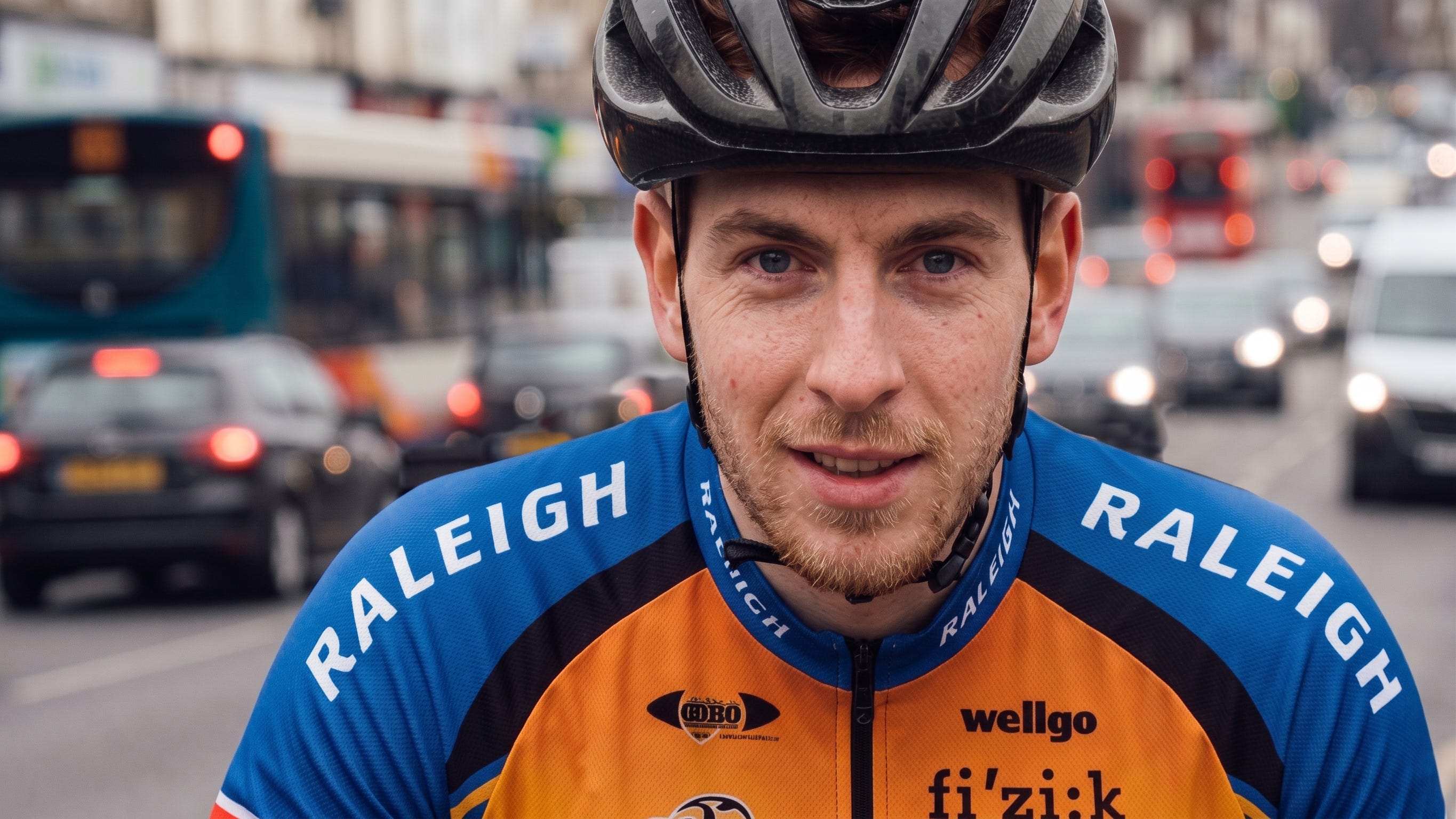
Then it occurred to me that David Lovelace - a former seaside boy, would be commuting on exactly the same morning that Nottingham’s annual Goose Fair rolled into town, and this would give me scope for playing around with funfair memories and iconography.
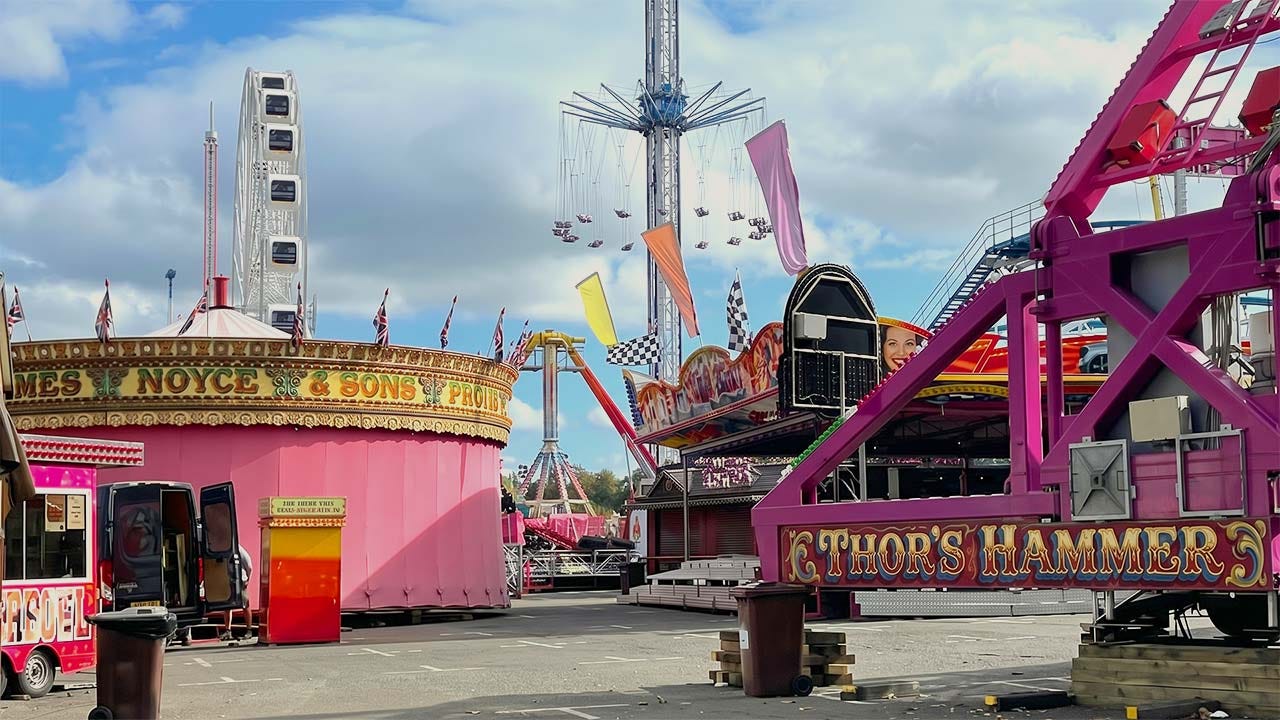
I was meeting Adrian (story editor) for an editorial chinwag. So I decided to walk the route taken by my character. soaking up the sights and the sounds of the funfair coming to life. There were rides of all sizes, ranging from tame kiddie roundabouts to giant nausea-inducing pendulums.
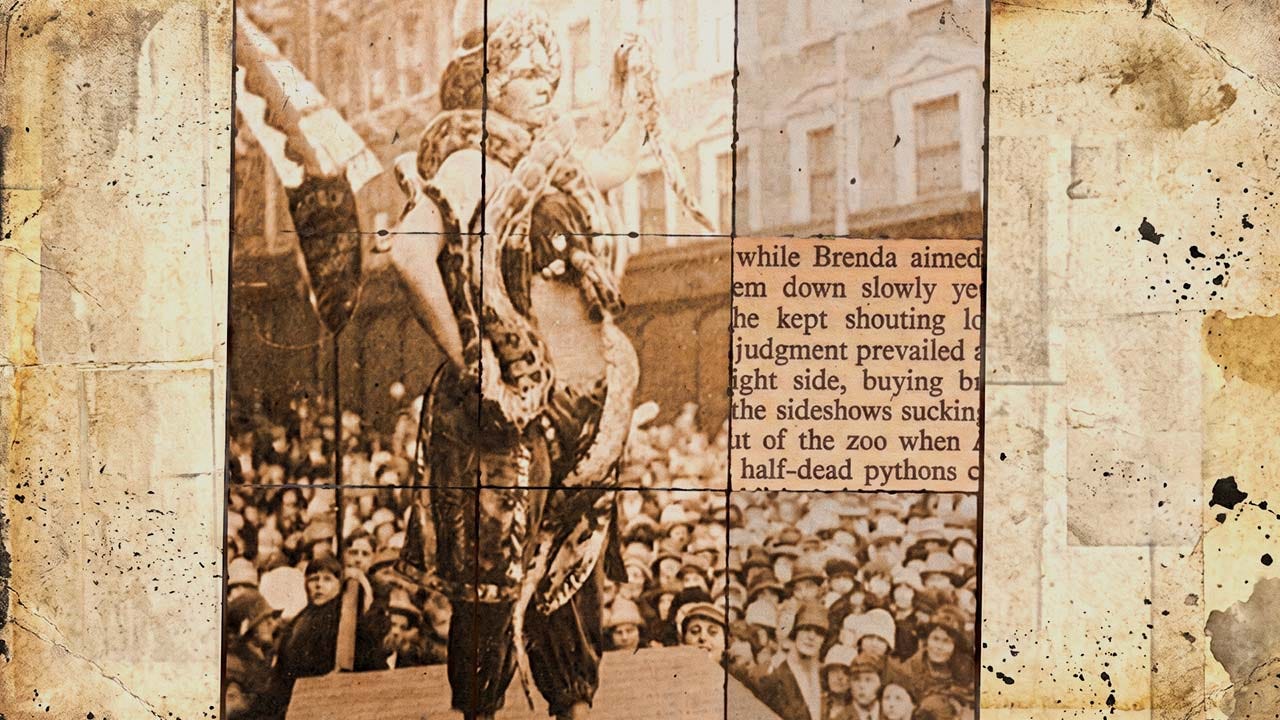
On the periphery a nod in the direction of the mystery and wonder that once characterised the fair. I’m thinking Tiny Tim, the Boxing Booth and The Snake Woman. Our thirst for freak shows migrated to Reality Television years ago, and was one of the themes of our 2012 digital arts platform Sillitoe Trail.
And then there’s the smells; the diesel generators, the hot-dog stands, and the food of all nations being prepared in the surrounding streets.
And in the thick of it all, Adrian, with his notebook and pen. ‘I’m writing a novel,’ he said. ‘It’s about Erdington where I grew up. And it’s a totally different experience to scriptwriting.’ So there’s Adrian, also being T-shaped, on another side of the creative spectrum, and we are sitting in the Portuguese Cafe, whilst I demo my Claude coded website houdiniwindow.com.
Hooked
Several coffees later, and I was retracing my steps across the fairground. I thought about what a strange week it had been with lots of AI spin coming from Silicon Valley.
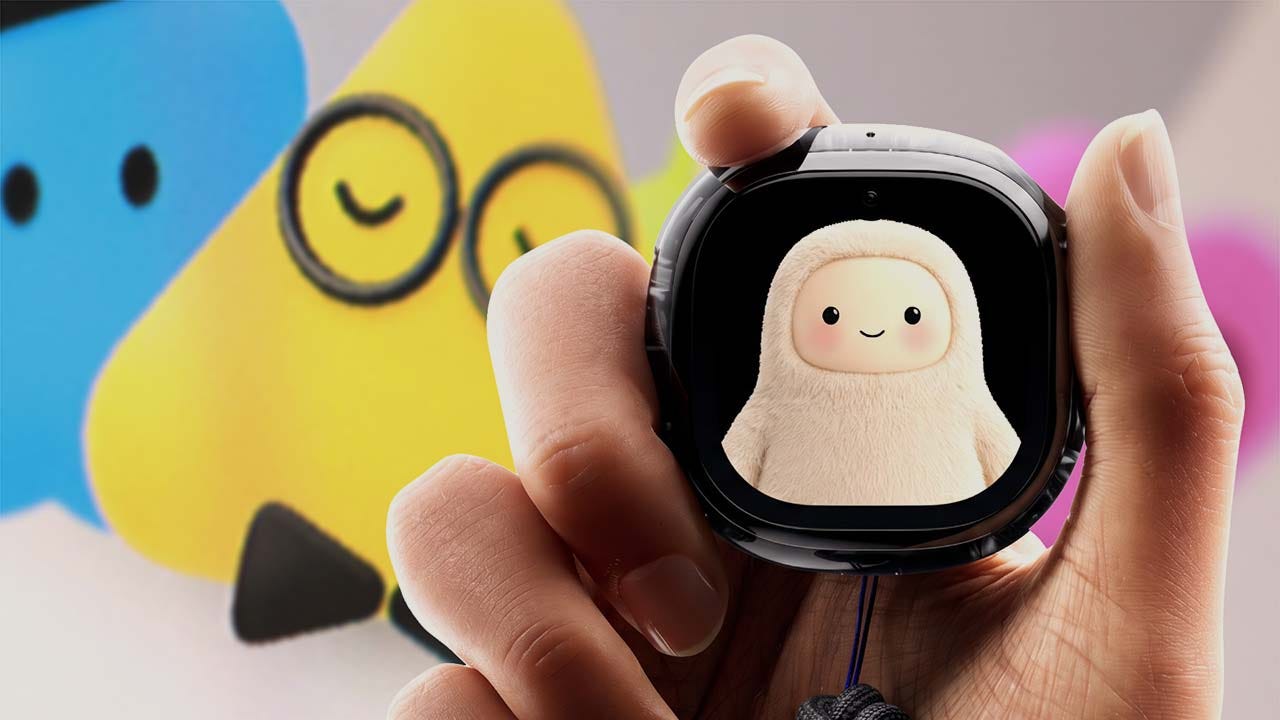
Amidst all the talk of rogue AI agents breaking into private networks, weaponisation and surveillance, Mark Zuckerberg (Meta) launched a Tamagotchi-style charm, whilst OpenAI talked about helpful agents called ‘Dots’ that have the appearance of plush toys; exactly the kind of thing you’ll find in the claw machine or as a prize on Goose Fair’s Hook-a-Duck stall.
Pitching AI user interfaces that look and feel like toys is highly addictive, and possesses the same ‘slot machine appeal’ mentioned by Chris earlier. This AI characteristic of ‘generating non-deterministic output’ could spell big trouble for some users, because there’s always a reason for just one more pull, then another, then another, then another…
Recording Reality
And those tokens are soon used up, as my wife discovered after generating a bunch of interior design variants for me to paint. First one, then another, and another, and another. Looks like I’ll be up a ladder again this weekend. And then it’s on with the autumn wellies for a brand new user research gig.

So, I guess I’d better brush up on recording actual behaviours rather than relying on AI transcripts, which was the subject of a LinkedIn article posted by Chris last week. It’s very good.
When you think about it, recording reality is where it all started for me. As a fire investigation photographer, my job was to record what had actually happened, not what anyone said had happened.
And going back to 2019 for a moment. Chris and I thought our old office in Shipley, or for that matter, Bradford’s famous son were going to be around forever. But nothing lasts forever. One minute they’re here - the next they’re gone.
And all that survives is a slice of recorded reality. So it better be a true one!
Anyway, ‘toodle-pip’ as we posh TV celebrities say. And remember...
You make magic real
- Laurie Lovelace
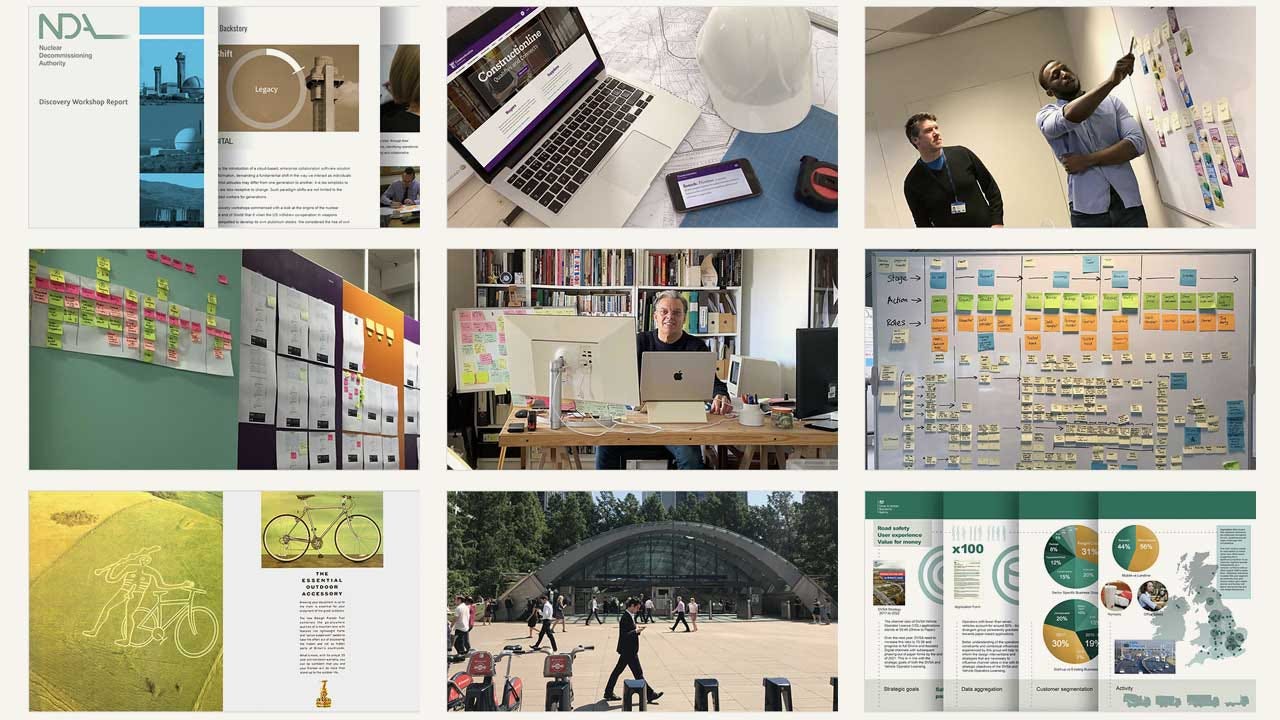
Digital magic available here!
Studio thinkamigo
Good design begins with good questions.
UX research finds them, design thinking answers them.
Links related to this substack:
Paul Fillingham Bio at Studio thinkamigo
Chris Leo Behaviours vs Transcript essay (Loopwork)
David Hockney Painting with Light (YouTube)
Houdini Window Beta website
Just in from Quantel at 30,000 feet. Sneak previews of some old favourites coming to a Mac (or iOS) near you! Check out their Instagram feed https://www.instagram.com/quantelpaintbox